
A person can have glaucoma for years and still read comfortably, drive confidently, and feel that their vision is perfectly normal. That is what makes the top signs of glaucoma so easy to miss. This group of eye diseases can gradually damage the optic nerve, often without early warning, which is why routine comprehensive eye exams are one of the most meaningful ways to protect your sight.
Why glaucoma can be difficult to notice
Glaucoma is commonly associated with pressure inside the eye, but eye pressure is only one part of the picture. The condition damages the optic nerve, which carries visual information from the eye to the brain. Once vision has been lost from glaucoma, it generally cannot be restored. With early detection and appropriate care, however, further damage can often be slowed or prevented.
The most common form, primary open-angle glaucoma, tends to develop slowly. Your central vision may remain clear while small areas of peripheral, or side, vision are affected. The brain is remarkably good at filling in missing visual information, so many people do not notice a change until the condition is more advanced.
That is why symptoms matter, but they are not the full story. A thorough eye exam can detect changes before you experience an obvious problem.
Top signs of glaucoma to know
Gradual loss of side vision
A narrowing field of vision is one of the classic signs of open-angle glaucoma. You may not see objects approaching from the side as readily as before, or you may feel less aware of people, pets, steps, or vehicles outside your direct line of sight.
This change is usually subtle rather than sudden. It may be noticed first when walking through a busy space, changing lanes, or navigating in lower light. Because side-vision loss can have many possible causes, it deserves a professional assessment rather than guesswork.
Trouble adjusting in dim light
Needing more time to adapt when moving from a bright setting into a darker room can be frustrating. On its own, it does not confirm glaucoma. Normal aging, cataracts, dry eye, and changes in prescription can also affect visual comfort in low light.
Still, if nighttime driving, movie theaters, dim restaurants, or evening walks have become noticeably more difficult, mention it during your eye exam. Details about when symptoms began and how they affect daily life help guide the evaluation.
Blurred vision or reduced contrast
Blurred vision can come from a long list of common issues, including an outdated glasses prescription, contact lens dryness, cataracts, or eye strain. Glaucoma does not always cause blur in its early stages, but ongoing haziness, difficulty seeing fine detail, or trouble distinguishing objects from similarly colored backgrounds should not be ignored.
If one eye seems different from the other, or if your vision has changed without an obvious explanation, schedule an exam promptly. A new pair of glasses may be the answer, but it is wise to rule out eye-health concerns first.
Halos around lights
Seeing rings or halos around headlights or streetlights can be associated with dry eyes, corneal changes, cataracts, and other conditions. In some cases, halos can occur with a sudden rise in eye pressure.
Halos become much more concerning when they appear with severe eye pain, a red eye, headache, nausea, or sudden blurred vision. Those symptoms may signal acute angle-closure glaucoma, a medical emergency that requires immediate care.
Eye pain, redness, and sudden vision changes
Most glaucoma is not painful, but acute angle-closure glaucoma is very different. It can develop quickly when the drainage angle inside the eye becomes blocked, causing eye pressure to rise rapidly.
Seek urgent medical attention for severe eye pain, redness, sudden blurred vision, halos around lights, headache, nausea, or vomiting. Do not wait to see whether the symptoms improve overnight. Fast treatment can make a meaningful difference for vision.
Symptoms are not a reliable screening tool
The absence of symptoms does not mean the absence of glaucoma. Many people with early glaucoma feel completely fine, which is why relying on vision changes alone can delay diagnosis.
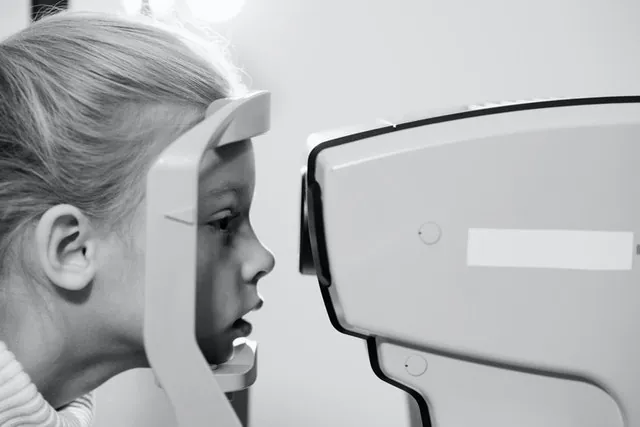
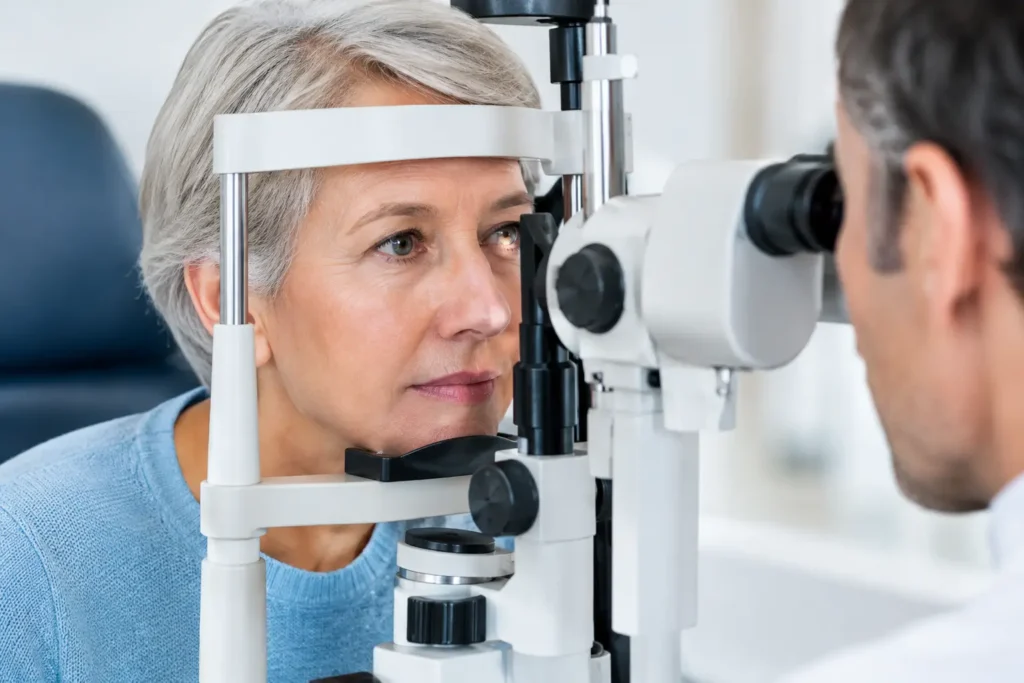
During a comprehensive eye exam, an optometrist may measure eye pressure, examine the optic nerve, assess the drainage angle, and test peripheral vision. Advanced imaging can also help identify subtle structural changes in the optic nerve. No single test tells the whole story. The value comes from looking at your eyes carefully over time and comparing results from visit to visit.
This approach is especially helpful because glaucoma can occur even when eye pressure falls within a typical range. Conversely, having higher eye pressure does not automatically mean someone has glaucoma. Your overall eye health, optic nerve appearance, visual field testing, family history, and other risk factors all matter.
Who should be especially proactive about screening?
Everyone benefits from routine eye care, but some people have a higher likelihood of developing glaucoma. Risk can be greater for adults over 60, people with a parent or sibling who has glaucoma, and people with diabetes. Certain racial and ethnic backgrounds are also associated with increased risk, including Black, Hispanic, and Asian populations, depending on the form of glaucoma.
Long-term use of steroid medications can raise eye pressure for some people. Nearsightedness, previous eye injury, and certain eye conditions may also play a role. If you have had eye surgery, take prescription or over-the-counter steroid products, or have been told your eye pressure is elevated, make sure your eye care provider knows.
Family history is particularly worth discussing. Glaucoma can run in families, and relatives may not always know the specific type they have. Even a simple comment such as, “My mother used glaucoma drops,” gives your optometrist helpful context.
When should you book an eye exam?
Book a comprehensive eye exam if you are due for routine care, have a family history of glaucoma, or have noticed any change in side vision, clarity, night vision, or eye comfort. If you already have glaucoma or are considered at risk, your optometrist will recommend an exam schedule based on your individual results.
For sudden pain, a red eye, severe headache, nausea, halos, or sudden loss of vision, treat the situation as urgent. Contact an eye care professional right away or seek emergency care. Those symptoms do not always mean glaucoma, but they should never be managed by waiting and hoping they pass.
What happens if glaucoma is found?
A glaucoma diagnosis can feel unsettling, especially when you have not noticed any vision changes. The encouraging news is that care plans are highly individualized. Depending on the type and severity of glaucoma, treatment may include prescription eye drops, laser procedures, surgery, or a combination of approaches coordinated with the appropriate eye-care specialists.
Follow-up is a central part of protecting vision. Treatment is not only about lowering a number on a pressure test. It is about monitoring the optic nerve, checking the visual field, reviewing how well treatment is working, and making adjustments when needed. Consistent appointments and using medications exactly as directed are important, even when your eyes feel normal.
A comprehensive eye exam is a practical investment in the vision you use for work, family time, driving, hobbies, and every small detail in between. If you have concerns or are simply due for care, scheduling an exam gives you clear answers and a thoughtful plan for your eye health.
Note: This posting is for informational purposes only and does not attempt to diagnose or recommend treatment for any condition. Please consult an optometrist if you are experiencing eyesight issues.