

A single speck drifting across your vision can be distracting. A sudden burst of new spots, however, deserves a different response. So, are floaters an emergency? Sometimes they are. Most floaters are not dangerous, but a sudden change can signal a tear or detachment in the retina, the light-sensitive tissue at the back of the eye. Prompt eye care can make a meaningful difference.
What eye floaters actually are
Floaters may look like tiny dots, threads, cobwebs, squiggles, or translucent shadows that move when you move your eyes. They are especially easy to notice against a bright wall, computer screen, or clear sky. They seem to drift away when you try to look directly at them because they are suspended inside the gel-like material that fills much of the eye, called the vitreous.
As we get older, the vitreous naturally becomes more liquid and can pull away from the retina. This common change is called a posterior vitreous detachment, or PVD. It can create floaters and occasional flashes of light, and it often does not require treatment on its own.
The concern is that, in some cases, the vitreous can tug hard enough to create a retinal tear. Fluid can then pass through that tear and lift the retina away from the back of the eye. This is a retinal detachment, and it requires urgent attention to help preserve vision.
Are floaters an emergency? It depends on the pattern
A long-standing floater that has not changed is usually less concerning than a sudden shower of new floaters. You may not be able to tell at home whether a new symptom is a routine vitreous change or a retinal problem. That is why a dilated eye examination is the safest next step when symptoms appear abruptly.
Contact an optometrist for a same-day or urgent assessment if you notice new floaters, particularly if they arrive suddenly or increase over hours or days. Let the office know exactly when the symptoms began and whether you are also seeing flashes, a dark area, or reduced vision. This helps the team guide you to the right level of care without delay.
Seek emergency eye care right away, or go to an emergency department if urgent eye care is not available, if you experience any of the following:
- A sudden shower of many new floaters, sometimes described as pepper, soot, or black dots
- Repeated flashes of light, especially at the edge of your vision
- A curtain, veil, shadow, or missing area in your side vision
- Sudden blurry vision, a noticeable drop in vision, or distorted vision
- Floaters or vision changes after an eye injury, head injury, or recent eye surgery
A curtain or shadow in your vision should never be watched at home to see whether it passes. Retinal detachment can progress, and earlier treatment generally offers a better opportunity to protect sight.
Symptoms that are less likely to be urgent
Many people gradually develop a few stable floaters over time. They may be annoying in bright conditions but cause no pain, no flashes, and no change in vision. In that situation, an urgent visit may not be necessary, though it is still wise to mention the floaters at your next comprehensive eye exam.
Floaters can become less noticeable as the brain adapts to them, and some settle lower in the eye over time. That does not mean you should ignore a change. The key distinction is whether the floater pattern is familiar and stable or new and rapidly changing.
Eye pain is not a typical symptom of a retinal tear or detachment. In other words, painless symptoms can still be urgent. If you have pain, redness, nausea, severe headache, or halos around lights along with vision changes, you also need prompt assessment, as these can be signs of other eye conditions that should not wait.
Who has a higher risk of a retinal problem?
Retinal tears and detachments can happen to anyone, but certain factors make a careful evaluation particularly important. You may have a higher risk if you are very nearsighted, have had cataract surgery or another eye procedure, have a family history of retinal detachment, or have previously had a tear or detachment in the other eye.
Diabetes, significant eye trauma, and certain inflammatory eye conditions can also affect eye health and may change the urgency of new symptoms. Adults over 50 are more likely to experience age-related vitreous changes, although younger people can develop floaters as well.
If you are unsure whether a recent change is significant, it is better to call. A thorough examination is far more reassuring than trying to judge a retinal symptom based on what you see in a mirror or what you read online.
What happens during an urgent floaters exam?
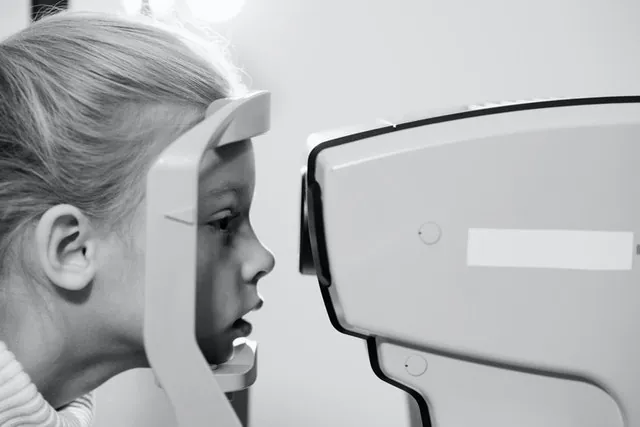
An urgent eye visit begins with a conversation about your symptoms, overall health, medications, past eye procedures, and when the change began. Your optometrist will check your vision and examine the front and back of your eyes. Dilating drops are often used to widen the pupils so the retina can be viewed more completely.
The drops can make near vision blurry and increase light sensitivity for a few hours. Bringing sunglasses is helpful, and you may prefer to arrange a ride if you do not feel comfortable driving afterward. The examination itself is an important step because a retinal tear can be small and may not cause dramatic symptoms at first.
If the retina is healthy and the floaters are related to a normal vitreous change, you will receive guidance on symptoms to watch for and when to return. If the exam identifies a retinal tear or detachment, your optometrist can coordinate urgent referral to the appropriate ophthalmology care. Some tears can be treated before they progress to a detachment.
What to do while you wait to be seen
Do not rub or press on the eye, especially after an injury. Avoid delaying care because the flashes or floaters seem to come and go. Make a note of which eye is affected, when symptoms started, and whether the number of floaters is increasing. This information is useful during your assessment.
If one eye is affected, cover each eye separately for a moment to compare your vision. Do not rely on this as a test for retinal health, but it can help you describe whether one eye has a new shadow, blur, or missing area. If your vision is suddenly impaired, do not drive yourself.
At Sight Care Optometry & Optical, urgent concerns are approached with the same thoughtful, patient-first attention as routine eye care. New floaters can feel unsettling, and a clear assessment helps replace uncertainty with a plan that fits your symptoms and eye health needs.
Do not wait for your next routine exam
A routine eye exam is valuable for monitoring vision and screening for many eye conditions, but sudden flashes, floaters, or a shadow in your field of vision are different. They call for timely advice, even if you had a normal exam recently. Retinal changes can develop between appointments.
Trust your sense that something has changed. Most floaters turn out to be manageable and non-threatening, but the few that point to a retinal problem are too important to miss. Calling for prompt guidance is a practical way to protect your vision and gain peace of mind.
Note: This posting is for informational purposes only and does not attempt to diagnose or recommend treatment for any condition. Please consult an optometrist if you are experiencing eyesight issues.