
A pair of contact lenses can make the morning school run, a long screen-filled workday, or a weekend game feel simpler. But clear vision is only part of the picture. The right lenses should also feel comfortable, support the health of your eyes, and suit the way you actually live.
For some people, contacts are an everyday alternative to glasses. For others, they are a practical option for sports, special occasions, travel, or the moments when they want an unobstructed view and a different look. A comprehensive eye exam and contact lens fitting help turn that choice into a safe, personalized part of your vision care.
Contact Lenses Are Not One-Size-Fits-All
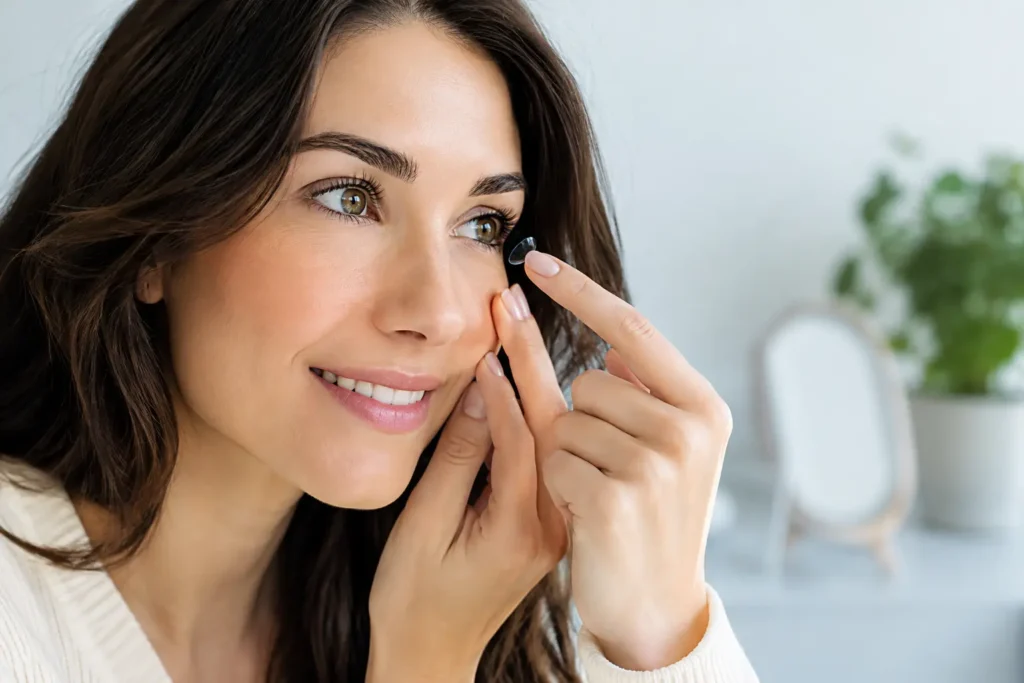
Contact lenses sit directly on the surface of the eye, which is why a current glasses prescription alone is not enough to purchase them safely. A contact lens prescription includes details such as lens material, base curve, diameter, replacement schedule, and brand or approved equivalent. Those details help ensure the lens aligns properly with your eye and delivers the clearest possible vision.
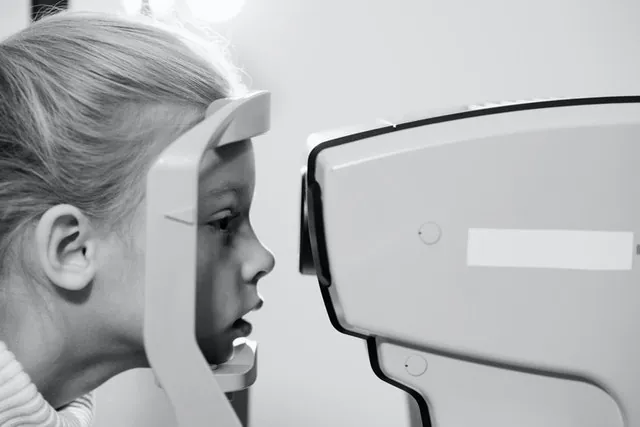
During a fitting, your optometrist evaluates more than the numbers on a chart. They look at how the lenses center and move on your eyes, how your vision performs at different distances, and whether your tear film provides the moisture needed for comfortable wear. You will also have the chance to discuss your routine, including screen time, outdoor activities, allergies, dry eye symptoms, and how often you expect to wear lenses.
This individual approach matters because a lens that works beautifully for a friend may not be the best choice for you. Comfort, clarity, convenience, and eye health all need to work together.
Choosing Contact Lenses for Your Routine
The best lens type often comes down to lifestyle and eye health rather than a single “best” product. Your optometrist can explain the available options and narrow them down based on your needs.
Daily disposable lenses
Daily disposable lenses are worn once and discarded at the end of the day. They are a convenient choice for people with busy schedules, occasional wearers, travelers, and many people prone to deposits or seasonal allergies. Starting each morning with a fresh lens can also simplify the care routine because there is no case to clean or solution to manage.
The trade-off is cost. Daily lenses may have a higher ongoing price than reusable options, particularly for full-time wear. Still, many patients find the convenience and fresh-lens feeling worth considering.
Reusable lenses
Two-week and monthly lenses are designed to be cleaned, disinfected, and stored between wears, then replaced on schedule. They can be a cost-conscious option for regular wearers, but they require consistent habits. Skipping cleaning steps, topping off old solution, or stretching a lens beyond its replacement date can increase the risk of discomfort and infection.
Reusable lenses are only a good fit when their care routine is a good fit, too. If the end of a long day makes careful cleaning unlikely, daily disposables may be the safer and more realistic choice.
Multifocal and toric lenses
If you need help seeing at multiple distances, multifocal contact lenses may reduce your dependence on reading glasses. They can be helpful for adults experiencing presbyopia, the normal age-related change that makes near tasks more difficult. Adaptation can take a little time, and the best design depends on whether close work, computer distance, driving, or distance vision is your top priority.
Toric contact lenses are designed for astigmatism. They are made to remain stable on the eye so the prescription stays properly aligned. Modern toric designs can provide excellent clarity, though finding the ideal lens may require a thoughtful fitting and follow-up visit.
Specialty lenses
Some eyes need a more customized solution. Rigid gas permeable, scleral, and other specialty lenses may be recommended for irregular corneas, keratoconus, high prescriptions, or vision needs that standard soft lenses do not address well. These lenses can be highly effective, but the fitting process is more detailed and may involve several visits to refine comfort and vision.
Comfort Is a Useful Signal
Contact lenses should not be painful. Mild awareness when trying a new lens design can happen, but persistent burning, gritty sensation, redness, light sensitivity, or blurred vision should never be ignored. Remove the lens and contact your eye care provider for guidance, especially if symptoms do not improve quickly.
Dry eye is one of the most common reasons people struggle with contacts. It does not always mean you have to stop wearing them. Sometimes a different material, a daily disposable schedule, updated prescription, dry eye treatment plan, or changes to your work habits can make a meaningful difference.
Screen use can make dryness worse because we tend to blink less while concentrating. Positioning your screen slightly below eye level, taking regular visual breaks, staying hydrated, and following your optometrist’s recommendations for lubricating drops can help. Use only drops approved for contact lens wear unless your provider tells you otherwise.
Healthy Habits Protect Your Eyes
Good contact lens care is simple, but it is not optional. Even lenses that feel fine can carry bacteria, deposits, or damage that you cannot see. The most important rule is to follow the replacement and wearing schedule prescribed for your specific lenses.
A few habits are especially worth protecting:
- Wash and dry your hands thoroughly before handling lenses.
- Never rinse or store lenses in tap water, saliva, or homemade saline.
- Use fresh disinfecting solution every time you store reusable lenses. Do not top off yesterday’s solution.
- Replace your lens case regularly and let it air dry between uses.
- Remove lenses before sleeping unless your optometrist has specifically approved overnight wear.
- Keep lenses out of pools, hot tubs, lakes, and showers whenever possible.
Water exposure deserves extra attention. Water can introduce microorganisms to the lens and eye, including rare organisms that can cause serious infections. If water gets in your eyes while wearing contacts, remove the lenses as soon as possible and follow the guidance for your lens type.
Never wear a lens past its intended replacement date just because it still feels comfortable. A lens can accumulate deposits or lose performance before you notice a change. Setting a recurring reminder on your phone can make replacement dates easier to remember.
When to Schedule a Contact Lens Checkup
A contact lens prescription is generally renewed through a contact lens evaluation, even if your vision seems unchanged. Regular visits let your optometrist monitor how your eyes are responding to lens wear and identify concerns before they become more serious. Your prescription, corneal health, eyelids, tear film, and overall eye health all deserve attention.
Schedule sooner if your lenses suddenly become uncomfortable, your vision fluctuates, you are relying on drops more often, or you notice recurring redness. Eye pain, marked redness, discharge, sensitivity to light, or a sudden drop in vision should be treated as urgent symptoms. Remove your lenses and seek prompt professional care.
Children and teens who wear contacts can do very well when they are ready to handle them responsibly. Daily disposables are often a practical option for young wearers, but maturity and consistent hygiene matter more than age alone. Parents can help by making lens care part of the same routine as brushing teeth or packing a school bag.
A Better Fit Starts With an Honest Conversation
The right contact lens plan should make your day easier, not add another task you struggle to maintain. Be open with your optometrist about how often you plan to wear lenses, whether you occasionally fall asleep in them, how much time you spend on screens, and any history of dryness or allergies. There is no benefit to choosing a plan that sounds ideal but does not match real life.
At Sight Care Optometry & Optical, contact lens care is approached as part of your complete vision and eye health plan. A careful fitting, clear instructions, and a conversation about your daily needs can help you feel confident in the lenses you wear.
The goal is not simply to see clearly without glasses. It is to enjoy flexible vision while giving your eyes the attentive care they deserve.
Note: This posting is for informational purposes only and does not attempt to diagnose or recommend treatment for any condition. Please consult an optometrist if you are experiencing eyesight issues.