
Glaucoma is often called the silent thief of sight for a simple reason: it can damage vision gradually, without pain or obvious warning signs. A glaucoma screening eye exam looks beyond whether you can read the letters on a chart. It checks the health of the optic nerve and other parts of the eye that can reveal changes long before you notice a problem with your vision.
For many people, this screening is part of a comprehensive eye exam. It is a thoughtful, preventative step that becomes especially valuable as we get older or if glaucoma runs in the family. Early detection cannot restore vision that has already been lost, but timely care can help protect the vision you have.
Why glaucoma can be hard to notice
Glaucoma is a group of eye diseases that can damage the optic nerve, the pathway that carries visual information from the eye to the brain. In the most common form, primary open-angle glaucoma, this damage tends to happen slowly. Central vision may remain clear while subtle changes develop in side vision, making it easy to miss in everyday life.
Some people associate glaucoma only with high eye pressure. Eye pressure is an important clue, but it is not the whole story. Some people with elevated pressure never develop glaucoma, while others can have optic nerve damage even when their pressure falls within a typical range. That is why a thorough exam considers several findings together rather than relying on one quick test.
Less common forms of glaucoma can cause more noticeable symptoms. Sudden eye pain, severe headache, nausea, red eye, blurred vision, or halos around lights need urgent attention. These symptoms are not something to wait out or save for a routine appointment.
What happens during a glaucoma screening eye exam?
A glaucoma screening eye exam is comfortable, straightforward, and tailored to your eye health history. Your optometrist will start by asking about your vision, family history, medications, past eye injuries, and overall health. Details that may seem unrelated, including long-term use of steroid medications, can matter to your eye-care plan.
A close look at the optic nerve
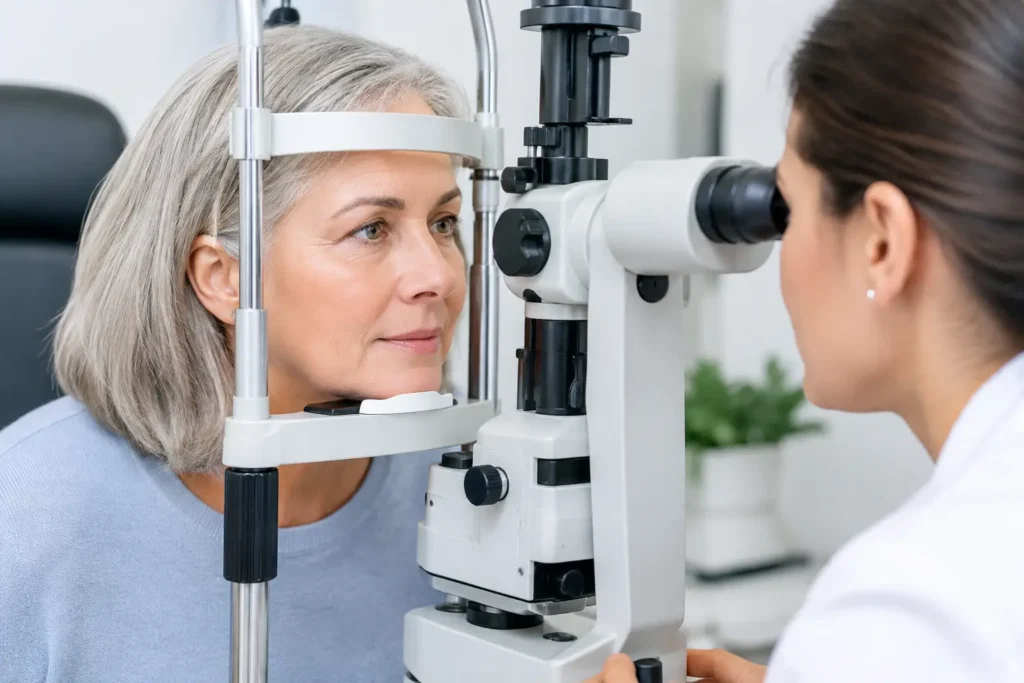
Your optometrist examines the optic nerve at the back of the eye for its size, shape, color, and any signs that suggest damage. This may be done during a dilated eye exam, when special drops widen the pupils to provide a clearer view inside the eye.
Dilation can make your near vision blurry and leave your eyes more sensitive to light for several hours. It does not happen at every visit, but when it is needed, it gives your optometrist valuable information that cannot be gathered from a vision chart alone. Bringing sunglasses and arranging transportation can be helpful if you know your eyes will be dilated.
Eye pressure testing
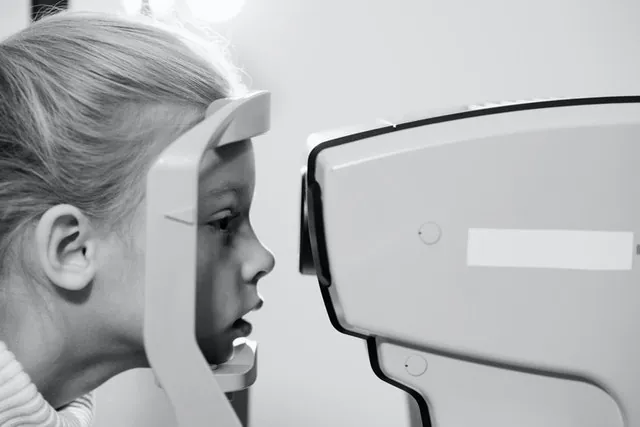
Measuring intraocular pressure, often called an eye pressure test, is a familiar part of glaucoma screening. Depending on the equipment used, your optometrist may use a gentle puff of air or a small instrument that briefly touches the eye after numbing drops are applied.
The test itself takes only moments. A pressure reading is one piece of the larger clinical picture. Your optometrist will consider it alongside the appearance of your optic nerve, corneal thickness, test results over time, and your personal risk factors.
Corneal thickness and angle assessment
A corneal thickness measurement, called pachymetry, can help put pressure readings in context. The cornea is the clear front surface of the eye, and its thickness can influence how eye pressure is measured.
In some cases, your optometrist may also assess the drainage angle of the eye. This area helps fluid leave the eye. Understanding whether the angle is open or narrow can help identify the type of glaucoma risk involved and guide appropriate monitoring.
Retinal imaging and OCT scans
Modern imaging can provide detailed photographs and scans of the optic nerve and the nerve fiber layer around it. Optical coherence tomography, or OCT, creates highly detailed cross-sectional images that can help identify very small structural changes.
These images are particularly useful because glaucoma is usually monitored over time. A single scan gives a baseline; repeat scans can help your optometrist look for meaningful changes. Technology supports the exam, but the most useful interpretation comes from pairing those results with a full clinical evaluation.
Visual field testing
A visual field test measures how well you see in different areas of your field of vision, including peripheral vision. You will usually look into a bowl-shaped instrument and press a button when you notice small flashes of light.
This test requires concentration, and it is normal to miss a few lights. It may be repeated if the results are unclear or if your optometrist needs a reliable baseline. Visual field testing helps show whether glaucoma is affecting function, while imaging can show structural changes that may appear earlier.
Who should schedule glaucoma screening?
Every adult benefits from routine comprehensive eye exams, but some people need closer glaucoma monitoring. Risk can be higher with age, a parent or sibling with glaucoma, elevated eye pressure, a history of eye injury, significant nearsightedness, or certain medical conditions and medications.
Glaucoma also affects some populations at higher rates or at younger ages. People who are Black, Hispanic or Latino, or Asian may have risks that deserve a conversation with their optometrist, though the type of glaucoma and the level of risk can vary. Family history and individual exam findings still matter greatly.
If you are over 40, have a close relative with glaucoma, or have been told your eye pressure is elevated, do not wait for vision changes to book an appointment. Your optometrist can recommend an exam schedule based on your unique findings. For someone with no risk factors and healthy results, screening may be part of regular routine care. For another person, annual or more frequent monitoring may make sense.
What if a test result looks concerning?
An unusual pressure reading or a suspicious-looking optic nerve does not automatically mean you have glaucoma. Eye pressure changes throughout the day, test results can vary, and optic nerves naturally come in different shapes and sizes. Your optometrist may recommend repeat testing, additional imaging, or a follow-up visit to build a more complete picture.
If glaucoma is diagnosed or strongly suspected, the next step is a personalized management plan. Depending on the type and stage of glaucoma, this may include prescription eye drops, laser treatment, surgery, or co-management with an ophthalmologist. Ongoing follow-up is essential because glaucoma care is about preserving vision over the long term, not simply responding to a single test result.
Preparing for your appointment
You do not need to do much to prepare for a glaucoma assessment. Bring your current glasses or contact lens information, a list of medications, and any relevant eye-health records. If possible, ask relatives whether anyone in the family has glaucoma or has experienced unexplained vision loss. That information can be genuinely useful.
Be ready to mention changes such as difficulty with side vision, glare while driving at night, headaches, or intermittent blurred vision. Those symptoms do not necessarily point to glaucoma, but they help your optometrist understand your overall visual experience and rule out other concerns.
At Sight Care Optometry & Optical, a glaucoma screening is approached as more than a checklist. It is a chance to understand your eye-health risks, answer your questions clearly, and create a monitoring plan that fits your needs and schedule.
Clear vision is worth protecting even when it feels perfectly normal. Booking routine care before symptoms appear gives your eyes the attention they deserve and gives you greater confidence in the years ahead.
Note: This posting is for informational purposes only and does not attempt to diagnose or recommend treatment for any condition. Please consult an optometrist if you are experiencing eyesight issues.