

That scratchy, burning feeling at the end of a long workday is easy to dismiss as screen fatigue. But when your eyes feel tired, watery, blurry, or uncomfortable often enough to affect reading, driving, contact lens wear, or sleep, it is worth looking into dry eye treatment in Toronto. Dry eye is common, but it is not something you simply have to tolerate.
The most helpful care starts with understanding what is causing your symptoms. For one person, the issue may be tears that evaporate too quickly. For another, it may be reduced tear production, eyelid inflammation, contact lens discomfort, medication effects, or a combination of factors. A personalized approach can bring more lasting relief than repeatedly reaching for the same over-the-counter drops.
When dry eye becomes more than an occasional annoyance
Dry eye does not always feel dry. Some people notice a sandy or gritty sensation, while others experience stinging, burning, redness, light sensitivity, fluctuating vision, or eyes that water unexpectedly. Excess tearing can seem confusing, but it can be the eye’s response to irritation rather than a sign that the tear film is healthy.
Symptoms may come and go. You may feel fine in the morning, then struggle by late afternoon after hours of computer work. Contact lenses may become uncomfortable sooner than they used to, or your vision may clear temporarily after blinking and then blur again. These details are useful because they help an optometrist identify patterns rather than treating every dry eye concern the same way.
Dry eye can also overlap with other eye concerns. Allergies, eyelid conditions, changes in prescription, and certain inflammatory conditions can create similar symptoms. A thorough eye examination helps separate these possibilities and ensures that ongoing redness or blurred vision is not being overlooked.
Why Toronto routines can aggravate dry eyes
Toronto life gives eyes plenty to manage. Cold outdoor air and indoor heating during winter can reduce moisture in the air. Air conditioning, fans, and direct car vents may create the same problem in warmer months. Add long commutes, busy office schedules, and evening screen time, and many people blink less fully and less often than their eyes need.
Digital devices do not directly cause dry eye in every case, but concentrated screen use can make symptoms more noticeable. When we focus on a screen, we tend to blink less and may not spread tears evenly across the eye’s surface. Small adjustments, such as taking visual breaks and positioning screens slightly below eye level, can help. They are supportive measures, though, not always a complete solution for persistent symptoms.
Contact lens wear is another common factor. Lenses can still be a comfortable option for many people with dry eye, but the material, replacement schedule, cleaning routine, and fit all matter. If lenses that once felt fine now feel irritating, do not assume you need to give them up permanently. An eye care professional can help determine whether a different lens option or better dry eye management may improve comfort.
What dry eye treatment in Toronto can involve
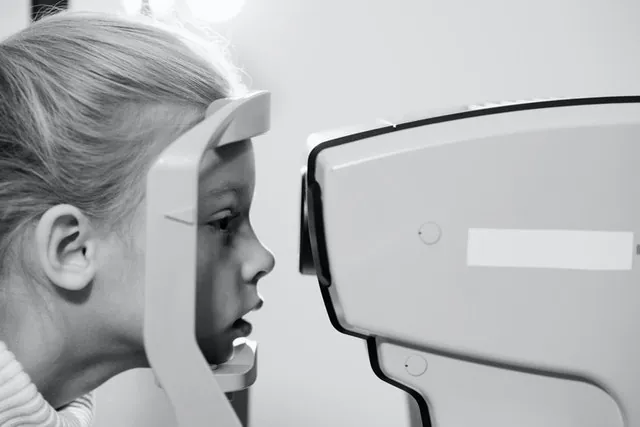
Effective dry eye care is not a one-size-fits-all plan. At an eye exam, your optometrist may ask when symptoms occur, what products you use, how much time you spend on screens, whether you wear contacts, and whether your general health or medications have changed. They may also assess the quality and stability of your tears, the surface of your eyes, and the health of your eyelids and oil-producing glands.
Those glands are especially important. The oils they produce help slow tear evaporation. When they are blocked or not functioning well, tears can disappear too quickly, leaving the eye surface exposed and irritated. This is often called evaporative dry eye, and it is one reason lubricating drops alone may offer only short-term relief.
Treatment may begin with a carefully selected preservative-free lubricant, especially if you need drops frequently. Not every bottle on a pharmacy shelf is equally suited to every situation. Some products are better for occasional mild discomfort, while others may be more appropriate for ongoing symptoms or contact lens wear. Your optometrist can help you choose a product and use it correctly.
Warm compresses and eyelid hygiene may be recommended when eyelid gland function is contributing to symptoms. Consistency matters here. A quick warm cloth used once rarely changes an ongoing issue, while a regular routine performed as directed may support healthier oil flow over time.
For moderate or persistent dry eye, care may also include prescription therapies or in-office treatment options designed to address inflammation, blocked glands, or tear drainage. The right recommendation depends on your examination findings, your comfort level, and how symptoms affect your day. Some treatments work gradually, so it is reasonable to discuss what improvement may look like and when a follow-up visit is needed.
Everyday changes that support treatment
Professional treatment and daily habits work best together. If your eyes are exposed to moving air at your desk, in the car, or while sleeping, redirecting vents can make a noticeable difference. A humidifier can be useful during dry indoor seasons, particularly if you wake with irritated eyes.
For screen-heavy days, give your eyes regular opportunities to reset. Look away from your screen at intervals, blink slowly and fully a few times, and avoid placing a monitor so high that your eyes must stay wide open. If you use eye makeup or facial products near the lash line, ask whether any part of your routine could be contributing to eyelid irritation.
Hydration supports general well-being, but drinking more water alone does not cure dry eye. Similarly, supplements may be appropriate for some people but are not right for everyone. It is best to discuss them with your optometrist, particularly if you take medications or have health conditions that affect which options are suitable.
When not to wait for an appointment
Dry eye symptoms are usually manageable, but some signs call for prompt attention. Sudden vision loss, significant eye pain, injury, light sensitivity that is severe, a chemical splash, or a red eye with discharge should not be assumed to be dry eye. These symptoms can have other causes that need timely assessment.
If your symptoms are not urgent but keep returning, worsen despite using drops, or interfere with daily activities, booking an eye exam is a practical next step. The goal is not simply to make eyes feel better for a few hours. It is to understand the source of the discomfort and protect the health of the eye surface over time.
Care that fits your eyes and your schedule
At Sight Care Optometry & Optical, dry eye care begins with listening. A parent dealing with irritated eyes after work, a student spending long hours on a laptop, and a contact lens wearer whose comfort has changed may all need different recommendations. A detailed assessment helps create a plan that reflects both your eye health and your daily routine.
Relief often comes from small, informed changes combined with the right level of professional care. If your eyes are regularly asking for attention, they are worth hearing.
Note: This posting is for informational purposes only and does not attempt to diagnose or recommend treatment for any condition. Please consult an optometrist if you are experiencing eyesight issues.