

A splash of cleaner, a flying piece of debris, a painful red eye, or a sudden curtain across your vision can turn an ordinary day into a frightening one. Knowing what to do for an eye emergency can protect your sight while you arrange urgent professional care. The first priority is simple: stay calm, avoid rubbing or pressing on the eye, and act quickly when vision changes, severe pain, or an injury is involved.
Eye emergencies are not always dramatic. Some begin with discomfort that feels like an eyelash, while others cause immediate pain or vision loss. When you are unsure, it is safer to contact an eye care professional promptly rather than wait for symptoms to settle on their own.
When an eye problem is an emergency
Seek same-day urgent eye care for a chemical splash, a cut or puncture near the eye, an object stuck in the eye, sudden vision loss, a new curtain or shadow in your field of view, flashing lights, or a sudden shower of floaters. Severe eye pain, significant light sensitivity, intense redness, double vision, or a painful red eye in a contact lens wearer also need prompt attention.
Call 911 or go to the emergency room if an eye injury happens with a serious facial or head injury, uncontrolled bleeding, loss of consciousness, or symptoms such as weakness, trouble speaking, severe headache, or facial drooping. Those symptoms may point to a broader medical emergency.
Not every red or irritated eye requires an emergency visit. Mild itchiness in both eyes during allergy season, for example, may be less urgent. Still, pain, reduced vision, discharge, or symptoms that worsen instead of improve change the picture. It depends on the cause, but vision should never be the trade-off for waiting.
What to do for an eye emergency by situation
If a chemical gets in the eye
Start rinsing immediately. Use clean, lukewarm running water, saline, or an eyewash station if one is available. Hold the eyelids open gently and flush continuously for at least 15 to 20 minutes. A shower can work well: angle the stream so water runs from the forehead across the affected eye, rather than directly into it with force.
Do not stop flushing just because the burning eases. Chemicals can continue to damage the eye after the initial sting fades. Remove contact lenses while rinsing if they come out easily, but do not delay flushing to search for them. After rinsing, seek urgent evaluation and bring the product container or a photo of its label if possible.
If something is stuck in the eye
Do not rub the eye or try to remove an embedded object with tweezers, a tissue, or your fingers. Cover the eye loosely with a clean paper cup or a rigid shield if available, especially if the object appears lodged in the eye. Avoid any pressure. Then arrange immediate emergency care.
For a loose speck of dust or an eyelash, blinking and gently rinsing with clean water may help. If the sensation remains after rinsing, if pain develops, or if vision is blurry, stop trying to remove it yourself and contact an optometrist or urgent care provider.
If the eye is cut, punctured, or hit hard
A direct hit from a ball, elbow, tool, or falling object can cause damage even when there is no visible cut. Apply a cold compress around the eye area, not directly on the eyeball, for brief intervals to help with swelling. Do not press on the eye, use medicated drops unless advised, or take aspirin if there is a concern about bleeding.
A cut, puncture, bleeding from the eye, irregular-looking pupil, sudden blur, or persistent pain requires emergency evaluation. A blow to the eye can also lead to delayed symptoms, including flashes, floaters, or a shadow in vision. These should be assessed right away.
If vision changes suddenly
Sudden loss of vision, a dark curtain, new blind spots, flashes of light, or a sudden increase in floaters can signal a retinal problem or another serious condition. Even if the symptoms are painless or seem to improve, seek urgent eye care the same day.
Do not drive yourself if your vision is affected. Ask a family member or friend to help, use a ride service, or call emergency services when necessary. Protecting your safety on the way to care matters too.
If you have a painful red eye while wearing contacts
Remove your contact lenses immediately and do not put them back in. A painful, red, light-sensitive eye in a contact lens wearer may be related to an infection that can worsen quickly. Keep the lenses and case if your eye care provider asks to inspect them, but do not wear the lenses again until you have been told it is safe.
Avoid using leftover prescription drops, especially steroid drops, or trying to cover the discomfort with redness-relief products. These can mask symptoms or make certain conditions worse.
What not to do while you wait for care
Well-meaning home remedies can complicate an eye emergency. Do not rub, patch, or apply pressure to an injured eye. Do not attempt to remove a lodged object, use numbing drops that were not prescribed for you, or put food, oils, or other household products in the eye.
It is also best to avoid driving yourself when pain, blur, dilation, or vision loss makes driving unsafe. If possible, write down when the symptoms began, what happened just before they started, and any products or objects involved. This information helps the eye care team make faster decisions.
If a child has an eye injury, keep them as calm and still as possible. Children may minimize symptoms or struggle to describe what they see, so watch for squinting, tearing, rubbing, avoiding light, unequal pupils, or a refusal to open one eye. When in doubt, have the eye examined.
Why prompt care can make a difference
The eye is delicate, and some conditions are time-sensitive. A chemical burn can continue causing injury until it is thoroughly rinsed. A scratch on the cornea can become more painful or infected. Retinal symptoms may require rapid treatment to preserve as much vision as possible.
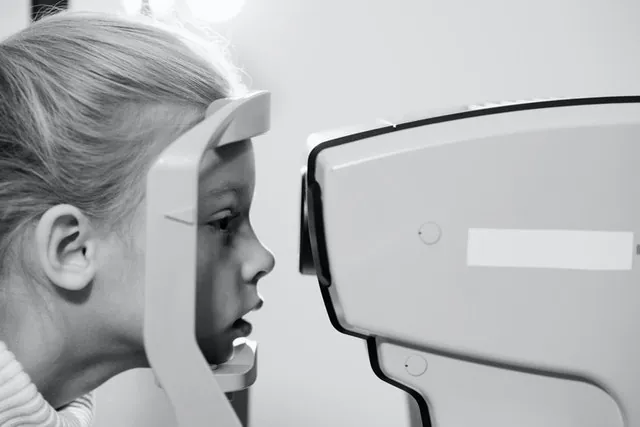
Prompt care does not always mean the worst has happened. Often, an exam brings reassurance and a clear plan. An optometrist can check the front and back of the eye, assess vision, look for hidden damage, and determine whether treatment or referral is needed. At Sight Care Optometry & Optical, urgent eye concerns are approached with the same careful, patient-first attention given to routine family eye care.
Prepare before an emergency happens
A few practical habits can reduce risk and make a stressful moment easier to manage. Keep protective eyewear available for home improvement projects, yard work, sports, and jobs involving particles or chemicals. Use child-safe storage for cleaners, and make sure everyone in the household knows where to find clean water or an eyewash station.
If you wear contact lenses, follow replacement schedules, wash and dry your hands before handling lenses, and avoid sleeping or swimming in them unless your eye care provider has specifically approved it. Keep an up-to-date list of medications and allergies, particularly if you or a family member has an ongoing eye condition.
When an eye emergency happens, fast, sensible first aid and timely professional care are the best next steps. Trust your instincts if something feels seriously wrong – your eyes deserve attention without delay.
Note: This posting is for informational purposes only and does not attempt to diagnose or recommend treatment for any condition. Please consult an optometrist if you are experiencing eyesight issues.