

A busy Midtown schedule can make it easy to put off an eye exam. Between school drop-offs, office meetings, errands, and time on screens, changing vision may seem like something to manage later. But choosing the right optometrist in Midtown Toronto can make routine eye care feel straightforward, personal, and well worth the time.
The right practice does more than update a prescription. It gets to know how you use your eyes each day, checks for changes that may not cause obvious symptoms, and helps you find eyewear that feels as good as it looks. Whether you are booking your child’s first exam, replacing contact lenses, or monitoring an ongoing eye-health concern, a thoughtful visit should leave you with clear answers and a plan that suits your life.
What to Look for in an Optometrist in Midtown Toronto
Convenience matters, especially when eye care is part of family life. A Midtown practice should make it easier to schedule an appointment around work, school, and other commitments, but a convenient location is only the starting point. Look for a team that takes time to listen, explains findings in approachable language, and offers care for more than one stage of life.
A comprehensive practice can support routine eye exams, children’s vision care, contact lens fittings, dry eye concerns, and age-related eye-health monitoring in one welcoming setting. This continuity can be especially helpful when several people in a household need care. Rather than starting from scratch at every visit, your optometrist can build a clearer picture of your visual history, daily demands, and changing needs.
It is also worth asking how the practice handles insurance and eligible OHIP coverage. Direct billing can reduce paperwork, while clear guidance about coverage helps you make informed decisions before your appointment. Children and seniors who qualify for annual OHIP-covered eye exams can benefit from regular care without added uncertainty around the process.
A thorough exam looks beyond the eye chart
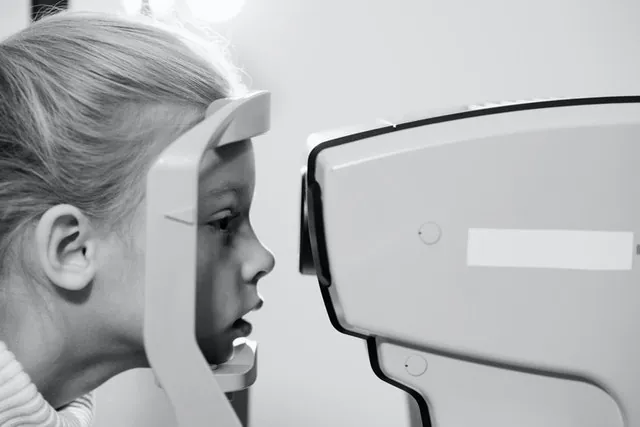
Reading letters on a chart is one part of an eye exam, not the whole story. A complete assessment considers how clearly you see, how comfortably your eyes work together, and whether there are signs of eye conditions that need attention.
Your optometrist may assess prescription changes, eye pressure, the health of the front and back of the eye, and how your vision functions in real-world situations. For some patients, additional imaging or diagnostic technology can help create a more detailed view of eye health. That matters because conditions such as glaucoma can develop quietly, while cataract changes and retinal concerns may be easier to manage when recognized early.
The best exam is not necessarily the one with the most technical language. It is the one where you understand what was checked, what the results mean, and when you should return. A good optometrist will welcome questions, especially if you are noticing headaches, fluctuating vision, eye strain, night-driving difficulty, or discomfort with your current prescription.
Eye Care Should Fit Your Age and Routine
Vision needs are not one-size-fits-all. A child learning to read, an adult spending long hours on a laptop, and a senior managing health changes will each benefit from a different conversation during the exam.
For children, regular eye exams help identify vision issues that may affect learning, sports, confidence, or comfort. A child may not realize that their vision is different from anyone else’s, so waiting for them to complain is not always the best approach. Parents may notice squinting, sitting unusually close to screens, losing their place while reading, frequent eye rubbing, or reluctance to do near work. These signs do not always point to an eye problem, but they are worth discussing.
Myopia, or nearsightedness, is another important consideration for children. If your child’s distance vision is becoming blurrier or their prescription is increasing, ask whether myopia management is appropriate. Recommendations depend on age, prescription, eye health, family history, and lifestyle. The goal is not simply to provide clearer vision today, but to consider how vision may change over time.
For working adults, eye care often centers on visual comfort as much as clarity. Digital work can contribute to dryness, fatigue, blurred vision, and headaches, particularly when screen time is long and breaks are short. An updated prescription may help, but dry eye, contact lens habits, lighting, workstation setup, and focusing demands can all play a role. A personalized discussion is more useful than assuming every screen-related symptom has the same cause.
For older adults, routine exams are an important part of monitoring eye health. Changes related to cataracts, glaucoma, diabetes, medications, or dry eye may become more likely with age. Even if your vision seems stable, regular examinations provide an opportunity to track subtle changes and discuss any new symptoms promptly.
Eyewear Is Part of Your Vision Care
After an exam, selecting glasses or contact lenses should feel like a continuation of your care, not an afterthought. Your prescription is important, but it is only one piece of the decision. The right lenses depend on how you work, drive, read, use devices, play sports, and spend time outdoors.
For example, someone who alternates between meetings, computer work, and commuting may have different needs than someone who primarily reads or works outdoors. Progressive lenses can be a helpful option for many people who need correction at multiple distances, but lens design, frame fit, and adaptation expectations all deserve a proper conversation. In some cases, a second pair for a specific task may offer better comfort than trying to make one pair do everything.
Frame styling is personal, and it should be enjoyable. A knowledgeable optical team can help you consider fit, face shape, prescription requirements, durability, and the colors or details that feel like you. For children, secure fit and comfort are especially important. For adults, fashion and function can work together beautifully when the frame supports the lenses you need.
Contact lens care also benefits from professional guidance. Whether you wear daily disposables, reusable lenses, multifocals, or lenses for occasional activities, your eyes and routine should guide the recommendation. Contact lenses are medical devices, so a current contact lens evaluation helps ensure that the fit, material, and prescription remain appropriate for your eyes.
When to Seek Care Sooner
Not every eye concern should wait for a routine appointment. Sudden vision loss, flashes of light, a new shower of floaters, significant eye pain, chemical exposure, an eye injury, or a red eye with pain and light sensitivity can require urgent assessment. If you experience a serious or sudden change in vision, seek professional care right away.
Other concerns may be less urgent but still deserve attention. Persistent dryness, burning, watery eyes, recurring styes, blurred vision that comes and goes, or contact lens discomfort can affect everyday comfort and may point to an issue that needs treatment or a change in your eye care routine.
Dry eye is a good example of why individualized care matters. Symptoms can be caused by screen use, environmental conditions, medication, eyelid gland function, contact lens wear, hormonal changes, or a combination of factors. Artificial tears may help some people, while others need a more targeted approach. A proper assessment can help avoid the frustration of trying products at random without lasting relief.
Questions Worth Asking at Your Appointment
A patient-first visit should leave room for the practical questions that are easy to forget. Ask how often you should have an eye exam, whether your prescription has changed significantly, and what symptoms should prompt an earlier visit. If you are considering LASIK, ask whether you are a candidate and how pre- and post-procedure care can be coordinated with your eye care team.
If you are choosing glasses, ask which lens options would make the greatest difference for your daily activities. If you are a parent, ask how your child’s vision may affect schoolwork and whether their prescription needs monitoring. If you have a family history of glaucoma, macular degeneration, or other eye conditions, mention it. Family history can help guide the conversation and the level of monitoring recommended.
At Sight Care Optometry & Optical, the focus is on combining attentive exams, modern diagnostic care, and personalized eyewear guidance in one comfortable experience. The goal is simple: help patients feel confident about both their eye health and the way they see every day.
Choosing an eye care provider is ultimately about trust. Find an optometrist who makes space for your questions, respects your schedule, and treats your vision as part of your overall quality of life. A regular eye exam can be a small appointment with a meaningful impact on comfort, confidence, and long-term eye health.
Note: This posting is for informational purposes only and does not attempt to diagnose or recommend treatment for any condition. Please consult an optometrist if you are experiencing eyesight issues.