
For many families, finding a direct billing optometrist Toronto residents can rely on is about more than saving time at the front desk. It is about making routine eye care, new glasses, contact lenses, and follow-up visits feel more manageable when life is already busy. Direct billing can reduce the paperwork involved in using vision benefits, so you can focus more on your eye health and less on submitting claims.
Still, direct billing is not quite the same as having every service fully covered. Knowing what it does, what it may not include, and what to ask before your appointment can help you avoid surprises and make the most of your available benefits.
What Direct Billing Means at an Optometrist
When an optometry practice offers direct billing, it can submit an eligible claim to your vision insurance provider on your behalf. Rather than paying the entire amount upfront and waiting to be reimbursed, you typically pay the remaining balance after your insurer applies the coverage available under your plan.
The details depend on your individual policy. Some plans provide a set amount for a comprehensive eye exam every one or two years. Others include separate allowances for prescription lenses, frames, contact lenses, or specialized lens options. Your plan may also have annual limits, deductibles, co-payments, or restrictions on which services qualify.
That is why direct billing is best understood as a convenience service, not a guarantee of full coverage. A caring optical team will help review the information available before you proceed, but the final amount approved remains subject to your insurer’s rules.
Why Direct Billing Matters for Toronto Families
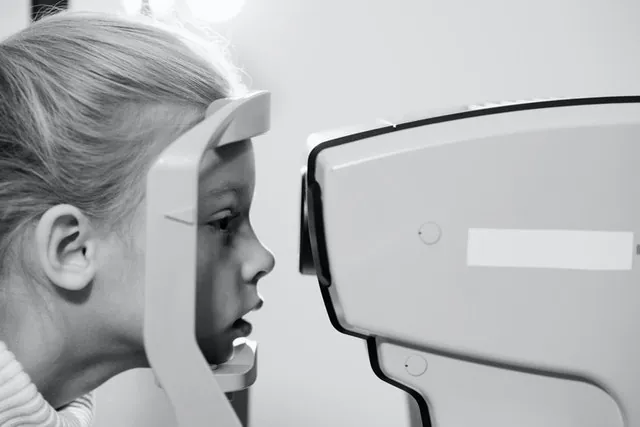
Vision care rarely arrives at a convenient moment. A child may be squinting at school, your screen work may be causing headaches, or an older family member may be due for monitoring of cataracts, glaucoma, or another eye-health concern. When benefits are easier to use, families may be more likely to book the care they need without delaying it.
For working adults, direct billing can also make it easier to plan for a new prescription. If you need progressive lenses for reading and computer work, prescription sunglasses for driving, or contact lenses for an active routine, knowing your insurance contribution before placing an order supports more confident decisions.
For parents, the convenience can be especially meaningful. Eligible children in Ontario may receive OHIP-covered annual eye exams, while insurance benefits may help with glasses, lenses, or additional vision needs. Coverage differs by family and circumstance, so it is always wise to confirm what applies before your visit.
Direct Billing Does Not Replace a Thorough Exam
It can be tempting to see an eye exam simply as the step needed to update a prescription. But a comprehensive exam also gives your optometrist an opportunity to assess the health of your eyes. Many eye conditions can develop with few early symptoms, which is one reason routine care matters for adults and seniors as well as children.
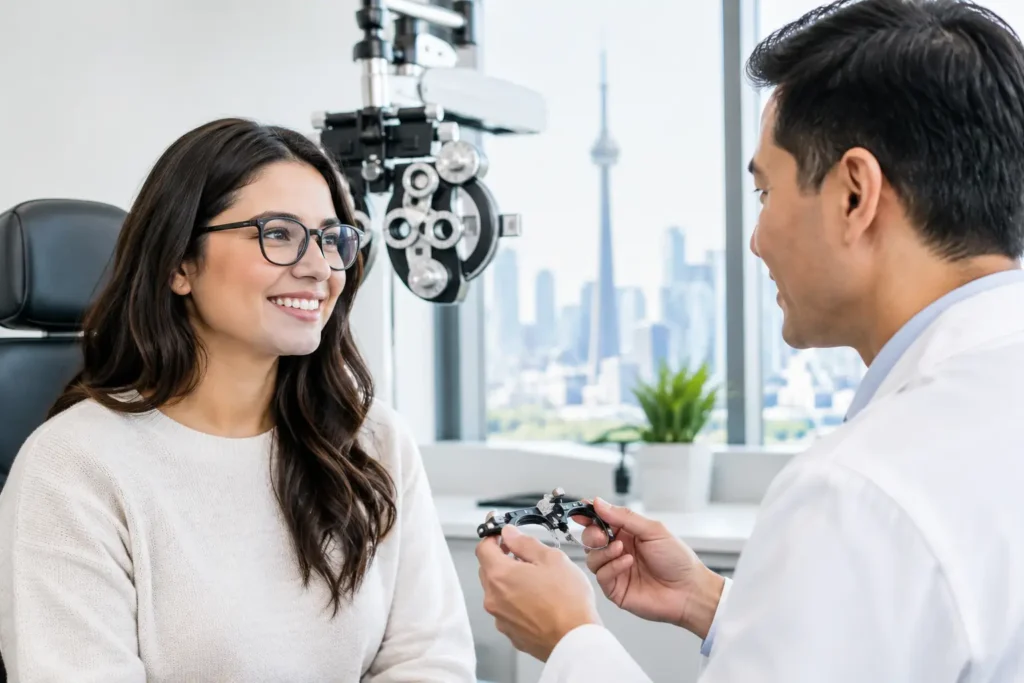
A complete visit may include a review of your visual concerns, an assessment of how clearly and comfortably you see, and testing tailored to your age, history, and eye-health needs. If you are managing dry eye, myopia progression, diabetes-related eye concerns, glaucoma risk, or changes in vision, your optometrist may recommend additional testing or follow-up.
Insurance coverage should support good care, not dictate it. The right appointment is based on what your eyes need, even when a service falls outside a particular plan’s allowance.
How to Prepare for a Direct Billing Optometrist in Toronto
A little preparation helps the billing process go smoothly. Bring your current insurance card or policy information, along with photo identification if requested. If coverage is provided through a spouse, parent, or employer, have the policyholder’s name, date of birth, and plan details available.
It is also helpful to bring your current glasses, contact lens boxes, and any previous prescription you have. These details give your optometrist a clearer picture of what has changed and what is working well in your daily life.
Before booking, consider asking whether the practice can bill your provider directly and whether there are any details you should bring to the appointment. At the visit, ask the team to explain your estimated coverage before selecting eyewear or lens upgrades. This is particularly useful if you are considering options such as anti-reflective coatings, thinner lenses, progressive lenses, blue-light filtering, transition lenses, or specialty contact lenses.
Those options can offer meaningful comfort and performance benefits, but they may not all be covered by an insurance plan. A knowledgeable optician can explain the trade-offs in plain language, helping you prioritize what will make the biggest difference for your vision, lifestyle, and budget.
Choosing Eye Care That Fits Your Life
The best direct billing experience begins with an optometry practice that sees you as more than a claim number. You should feel comfortable asking questions about your prescription, eye health, coverage, and eyewear options. Clear answers build trust, especially when you are making decisions for a child or helping a parent navigate changing vision.
Look for a practice that combines clinical care with thoughtful optical guidance. Your prescription is only one part of choosing glasses. Frame fit affects comfort, lens design affects how well you see at different distances, and your work, hobbies, driving habits, and personal style all matter. A frame that looks great but slides down constantly is not a successful choice. Neither are lenses that technically match your prescription but do not support the way you use your eyes each day.
At Sight Care Optometry & Optical, patients can receive comprehensive eye care alongside personalized support with glasses, sunglasses, and contact lenses. This integrated approach can be especially helpful when your needs are more complex, such as managing dry eye while wearing contacts, selecting lenses for long screen days, or coordinating care before or after LASIK.
Questions Worth Asking Before You Commit
A good optometry team will welcome practical questions. You may want to ask what portion of the exam your plan covers, whether your benefits include frames and lenses separately, and whether you can combine coverage with a spouse’s plan. If you are due for a new pair of glasses, ask how long your estimate is valid and whether your prescription needs to be finalized before you choose frames.
For contact lens wearers, ask whether your benefit can be applied to an annual supply and whether your plan distinguishes between standard and specialty lenses. If you have dry eyes, allergies, or discomfort with your current lenses, bring that up during the exam rather than assuming a new box of the same lenses is your only option.
It is also reasonable to ask about payment for amounts that remain after insurance. Understanding the estimate before ordering gives you room to choose confidently, whether that means investing in premium lenses or selecting a more basic option that still meets your needs.
Care Should Feel Straightforward
Insurance can be complicated, but your experience at the optometrist does not have to be. A direct billing option helps remove one administrative hurdle, while a thorough exam and personalized optical guidance help ensure you are making choices that genuinely support your sight.
If you have noticed blurred vision, frequent headaches, eye fatigue, flashes, floaters, redness, sudden discomfort, or a change in how your glasses or contacts feel, do not wait for your benefits cycle to decide whether to seek care. Book an eye exam and let an optometrist help you understand what your eyes need.
Your vision supports every school day, commute, work project, family moment, and favorite view. Choosing a practice that makes care clear, welcoming, and practical is a worthwhile way to look after it.
Note: This posting is for informational purposes only and does not attempt to diagnose or recommend treatment for any condition. Please consult an optometrist if you are experiencing eyesight issues.