

A prescription can look like a string of unfamiliar numbers, but its purpose is wonderfully practical: to help light land where it belongs so you can see comfortably and clearly. Understanding how prescriptions correct nearsightedness, farsightedness, and astigmatism can make it easier to choose glasses or contact lenses that support your work, hobbies, driving, screen time, and everyday life.
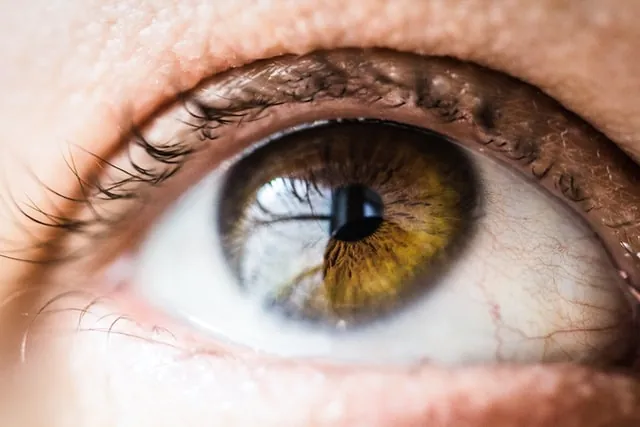
Your eyes focus light much like a camera. Light enters through the clear front surface of the eye, called the cornea, then passes through the natural lens before reaching the retina at the back of the eye. The retina sends visual information to the brain. When the eye’s shape or focusing power prevents light from meeting precisely on the retina, vision may be blurry. Prescription lenses adjust the path of that light before it enters the eye.
How prescriptions correct common focusing errors
An eyeglass or contact lens prescription is customized to the way each eye focuses. It does not simply make things bigger. Instead, it adds or subtracts focusing power, and in some cases directs that power along a specific angle.
The most familiar parts of a prescription are sphere, cylinder, and axis. Sphere addresses nearsightedness or farsightedness. Cylinder and axis describe astigmatism. Some prescriptions also include an add power for reading or close work, as well as prism for certain eye alignment needs.
Nearsightedness: bringing distance into focus
Nearsightedness, also called myopia, makes distant objects look blurry while nearby objects may remain clear. A classroom board, road sign, television screen, or a person’s face across the room can lose detail. This usually happens because the eye is slightly too long from front to back, the cornea is too curved, or both. Light comes to a focus in front of the retina rather than directly on it.
A myopia prescription uses a minus sign, such as -1.50. The lens is thinner in the center and thicker toward the edges. It gently spreads incoming light rays apart before they enter the eye, moving the focal point backward onto the retina.
A larger minus number generally means more lens power is needed. It does not, however, tell the whole story about how well someone sees or how healthy their eyes are. A comprehensive eye exam looks beyond the prescription, checking eye health and discussing whether vision changes may call for additional attention.
For children, myopia deserves particular care because it can progress as they grow. Regular exams help track changes over time and give families a chance to discuss appropriate myopia management options when needed.
Farsightedness: adding focusing power
Farsightedness, or hyperopia, occurs when the eye is slightly too short, the cornea is too flat, or both. Light would focus behind the retina without correction. Many young people with mild farsightedness can compensate by working their natural focusing system harder, especially for distance vision. That effort can still lead to eye strain, headaches, fatigue, or trouble sustaining close work.
A farsighted prescription begins with a plus sign, such as +2.00. This lens is thicker in the center and adds focusing power, bringing the focal point forward onto the retina.
The experience of farsightedness varies widely. One person may notice blurred reading material, while another may see clearly but feel worn out after a full day of computer work. Children may not always recognize or report visual discomfort, which is one reason routine pediatric eye exams matter. Clear sight is only part of the picture; comfortable, efficient vision supports reading, learning, play, and confidence.
Astigmatism: correcting focus at different angles
Astigmatism is common and often occurs alongside nearsightedness or farsightedness. It does not mean the eye is shaped like a football, although that comparison is sometimes used. More accurately, the cornea or natural lens has different curves in different directions. Instead of creating one crisp focal point, it creates focus at more than one point or plane.
This can cause blur or distortion at both distance and near. Letters may look slightly shadowed, lights may appear streaky at night, and fine details can seem less sharp. Some people with uncorrected astigmatism also experience squinting or headaches.
Astigmatism correction appears on a prescription as cylinder, often abbreviated as CYL, plus an axis. Cylinder is the additional lens power needed to correct the uneven curve. Axis, measured from 1 to 180 degrees, tells the optical lab where that correction must sit in the lens. The axis is not a measure of severity. It is a direction, much like the orientation of a clock hand.
Because the position of astigmatism correction matters, accurate measurements and a well-fitted frame are especially valuable. If a frame sits crookedly, slides down the nose, or is not aligned with the wearer’s eyes, vision may not feel as clear or comfortable as it should.
Why two people with the same prescription can need different lenses
The numbers on a prescription are essential, but they are not the complete eyewear plan. Lens design, frame fit, eye position, work demands, and personal preference all influence how glasses perform.
Someone who drives frequently at night may benefit from a lens recommendation focused on sharp, comfortable distance vision and glare reduction. A person who shifts between a laptop, phone, paperwork, and meetings may need a solution that makes intermediate and near tasks easier. A child needs durable eyewear that stays properly positioned through an active day. These needs can be just as important as the sphere, cylinder, and axis values.
For patients over 40, close-up vision often changes because the natural lens inside the eye becomes less flexible. This is called presbyopia. It is a normal age-related change, not the same as farsightedness, though the two can occur together. An add power on the prescription may support reading and close tasks through reading glasses, bifocals, progressive lenses, or certain contact lens options.
Progressive lenses offer distance, intermediate, and near vision without a visible line, but adaptation can take time. They need careful measurements and an appropriate frame. Single-vision computer glasses can be a better fit for some people who spend long hours at a fixed screen distance. The right answer depends on how you actually use your eyes, not only on what is written on the prescription.
Glasses and contacts use the same goal, with different designs
Both eyeglasses and contact lenses correct refractive errors by redirecting light, but they sit in different places. Eyeglass lenses rest a short distance in front of the eyes, while contacts sit directly on the tear film over the cornea. For stronger prescriptions, this difference can affect the exact power required. That is why a glasses prescription should not automatically be used to order contact lenses.
Contact lens fitting also considers the shape of the cornea, tear film, lens material, replacement schedule, and eye health. Astigmatism may require toric contact lenses, which are designed to remain in the correct orientation on the eye. Some patients value the wider field of view that contacts can provide, while others prefer the convenience and style options of glasses. Many enjoy having both.
A clear prescription starts with a thorough eye exam
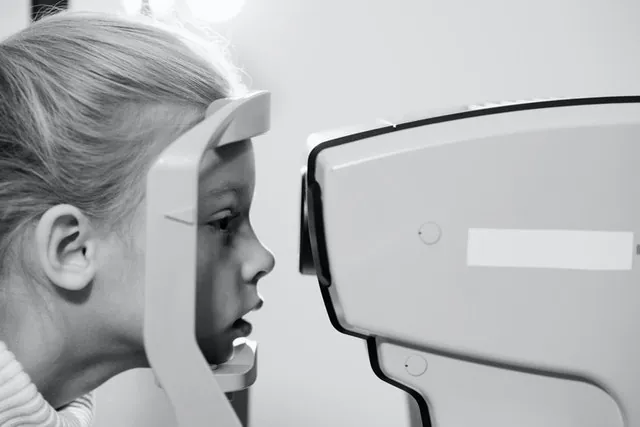
An eye exam combines precise measurements with a conversation about what you are noticing and what you need from your vision. Your optometrist may ask about headaches, night driving, dry or tired eyes, medication changes, screen habits, family eye-health history, and previous eyewear experiences. These details help distinguish a simple prescription update from symptoms that may require further evaluation.
At Sight Care Optometry & Optical, the goal is not simply to hand you a set of numbers. It is to understand how you see throughout your day and help you make choices that feel comfortable, practical, and true to your personal style. A carefully selected frame and lens package should support your vision without feeling like an afterthought.
If your current glasses cause strain, blur, dizziness, or discomfort, do not assume you simply need to get used to them. A prescription, lens measurement, frame adjustment, or underlying eye-health concern may be involved. Clear, comfortable vision is worth a conversation with an optometrist.
Note: This posting is for informational purposes only and does not attempt to diagnose or recommend treatment for any condition. Please consult an optometrist if you are experiencing eyesight issues.