
A favorite pair of reading glasses may suddenly seem less helpful. Night driving can feel more stressful than it used to, with headlights appearing to scatter or glare. These small changes are often how cataract symptoms and treatment options first enter the conversation – not as an emergency, but as a gradual shift in how clearly and comfortably you see.
Cataracts are common, especially with age, and they are highly treatable. The key is not to assume that blurry or changing vision is simply something to live with. A comprehensive eye exam can identify the cause of your symptoms, assess how much they affect your daily life, and help you understand the next sensible step.
What is a cataract?
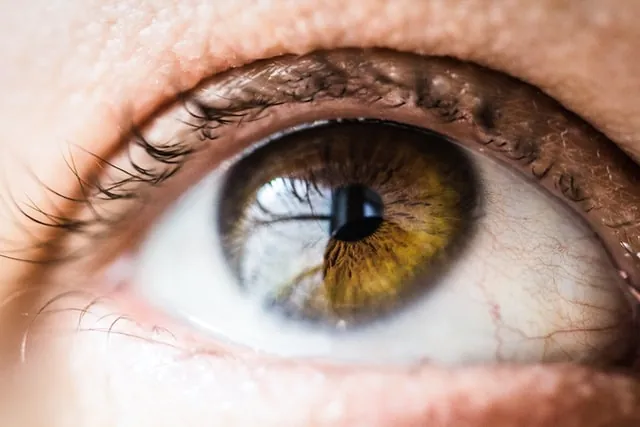
Inside the eye, the natural lens helps focus light onto the retina so you can see clearly. A cataract develops when that normally clear lens becomes cloudy. As light has more difficulty passing through the lens, vision may become hazy, dull, or distorted.
Age is the most common reason cataracts develop, but it is not the only one. Diabetes, long-term use of certain medications such as corticosteroids, smoking, significant sun exposure, prior eye injury, and a family history of cataracts can all play a role. Some cataracts also develop earlier in life or are present from birth.
A cataract does not usually appear overnight, and early changes may have little effect on day-to-day vision. That is one reason routine eye exams matter. An optometrist can spot lens changes before they become a major interruption to work, hobbies, driving, or family time.
Cataract symptoms to watch for
Cataract symptoms often develop slowly enough that people adapt without realizing how much their vision has changed. You may find yourself choosing brighter rooms, holding reading material closer, or avoiding driving after dark. These adjustments can be useful clues.
Common symptoms include cloudy or blurred vision, colors that seem faded or yellowed, and increased sensitivity to sunlight, lamps, or oncoming headlights. Halos around lights and double vision in one eye can also occur. Some people notice that their prescription changes more frequently, while others experience a temporary improvement in close-up vision that later fades.
Not every case of blurred vision is caused by a cataract. Dry eye, changes in prescription, glaucoma, macular degeneration, and retinal concerns can create overlapping symptoms. That is why a thorough exam is more useful than trying to self-diagnose based on one visual change.
When vision changes need prompt attention
Cataracts are typically gradual and painless. Sudden vision loss, eye pain, flashes of light, a new shower of floaters, or a curtain-like shadow across your vision should be assessed urgently. Those symptoms are not typical cataract changes and may point to another eye health concern that needs timely care.
How cataracts are diagnosed
A cataract evaluation starts with a conversation about your vision and the situations that are becoming difficult. Details matter. A person who spends long hours on a computer may have different priorities than someone who drives at night, enjoys detailed crafting, or needs to read medication labels with confidence.
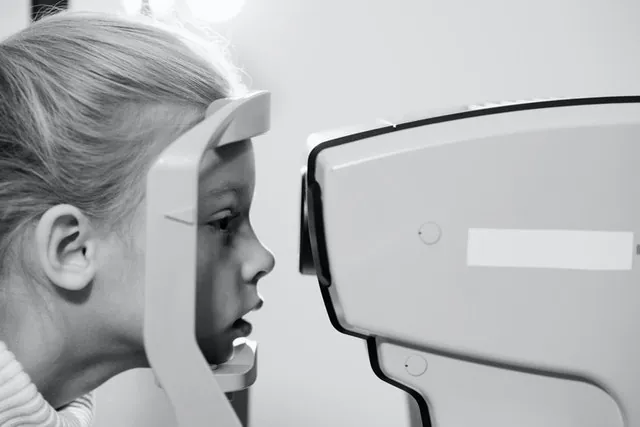
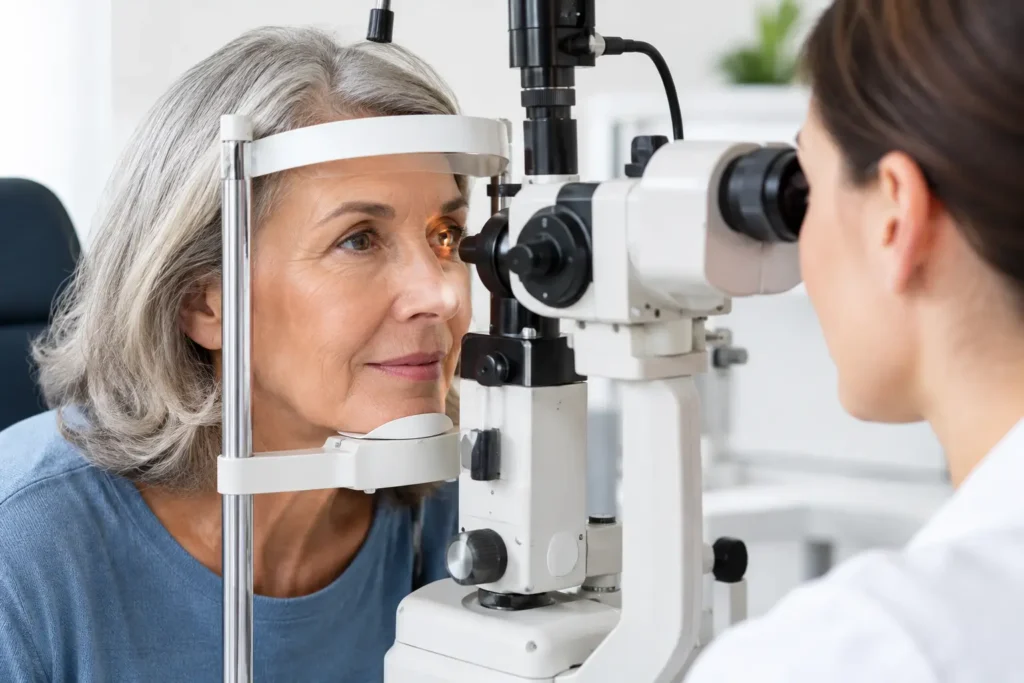
Your optometrist will check visual acuity, assess your prescription, and examine the health of the front and back of the eye. Dilating the pupils may be recommended so the lens, retina, and optic nerve can be evaluated more completely. Modern diagnostic technology can help document changes over time and identify other conditions that may influence your treatment plan.
The goal is not simply to determine whether a cataract is present. It is to understand whether it is the main reason for your visual symptoms and whether your current vision still meets the demands of your lifestyle.
Cataract treatment options: what helps and when
There is no eye drop, vitamin, or exercise proven to reverse an age-related cataract. However, cataract surgery is not always needed as soon as a cataract is detected. Early on, practical changes may improve comfort and function.
An updated eyeglass prescription, stronger task lighting, anti-glare lenses, and sunglasses with UV protection may help you see more comfortably. These measures do not remove the cataract, but they can be appropriate while symptoms remain mild. Personalized eyewear guidance can be especially helpful if glare, computer use, reading, or night driving is your main concern.
Surgery becomes the primary treatment when cataract-related vision changes interfere with the things you need or want to do. There is no single visual-acuity number that tells every person it is time. The decision depends on your symptoms, eye health, and personal priorities. If driving at night now feels unsafe, for example, it may be reasonable to discuss surgery even if you can still read the eye chart fairly well.
What cataract surgery involves
During cataract surgery, an ophthalmologist removes the cloudy natural lens and replaces it with an artificial intraocular lens, often called an IOL. The procedure is commonly performed on an outpatient basis. Your eye care team will explain how to prepare, what recovery may feel like, and when you can return to regular activities.
There are several lens options, and the best choice is personal. A monofocal lens is designed for clear vision at one primary distance, often distance vision, though glasses may still be needed for reading or computer work. Toric lenses can help address astigmatism. Multifocal or extended-depth-of-focus lenses may reduce dependence on glasses for some people, but they can involve trade-offs such as halos or reduced contrast in low light.
Your existing prescription, eye health, occupation, hobbies, and tolerance for visual trade-offs all matter. Someone who values crisp night driving may make a different choice than someone whose priority is reducing the need for readers. A thoughtful pre-surgical discussion is where those preferences should be heard.
The optometrist’s role before and after surgery
Optometrists play an important role in recognizing cataracts, monitoring their progression, and helping patients decide when a surgical consultation makes sense. If surgery is appropriate, your optometrist can coordinate care with an ophthalmologist and remain involved in pre- and post-operative care when appropriate.
After surgery, follow-up visits help ensure the eye is healing well and vision is developing as expected. Some patients need an updated prescription after recovery, while others may benefit from guidance on sunglasses, reading glasses, or lenses tailored to their favorite activities. At Sight Care Optometry & Optical, care can include both the clinical guidance and eyewear support that help patients feel comfortable with each stage of changing vision.
Protecting your vision while you monitor a cataract
You cannot always prevent cataracts, but everyday habits can support long-term eye health. Wear sunglasses that block UV rays, avoid smoking, manage conditions such as diabetes with your healthcare team, and keep regular eye exams on your calendar. If you take prescription medication long term, let your eye doctor know so your risk factors can be considered in context.
Most of all, do not wait until vision becomes severely limited to mention a concern. A change that feels minor in the exam room may have a major impact on your confidence behind the wheel, comfort at work, or enjoyment of the people and places you love.
If your vision has become hazy, glare is making night driving difficult, or your glasses no longer seem to provide the clarity you expect, schedule an eye exam. Clear answers and a plan built around your daily life can make the next step feel much more manageable.
Note: This posting is for informational purposes only and does not attempt to diagnose or recommend treatment for any condition. Please consult an optometrist if you are experiencing eyesight issues.