
For many Ontario families, the question is simple: are senior eye exams OHIP covered? In most cases, yes. If you are age 65 or older and have a valid Ontario Health Insurance Plan card, OHIP generally covers one comprehensive eye examination every 12 months with an optometrist. That annual visit is a valuable opportunity to check more than whether your glasses prescription has changed. It can also help identify eye-health concerns that become more common with age.
Clear vision supports independence, confidence, and the everyday moments that matter, from reading medication labels and driving comfortably to recognizing a grandchild across the room. A routine senior eye exam is one of the most practical ways to protect it.
Are Senior Eye Exams OHIP Covered Every Year?
Ontario residents age 65 and older are generally eligible for one OHIP-covered comprehensive eye exam every 12 months. The exam must be provided by an eligible optometrist or physician, and you will need a valid OHIP card at your appointment.
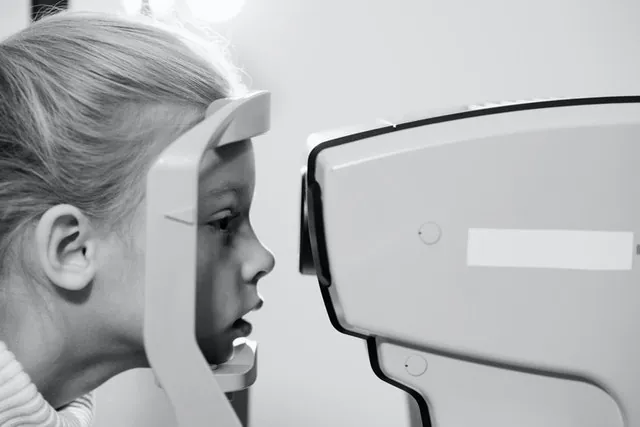
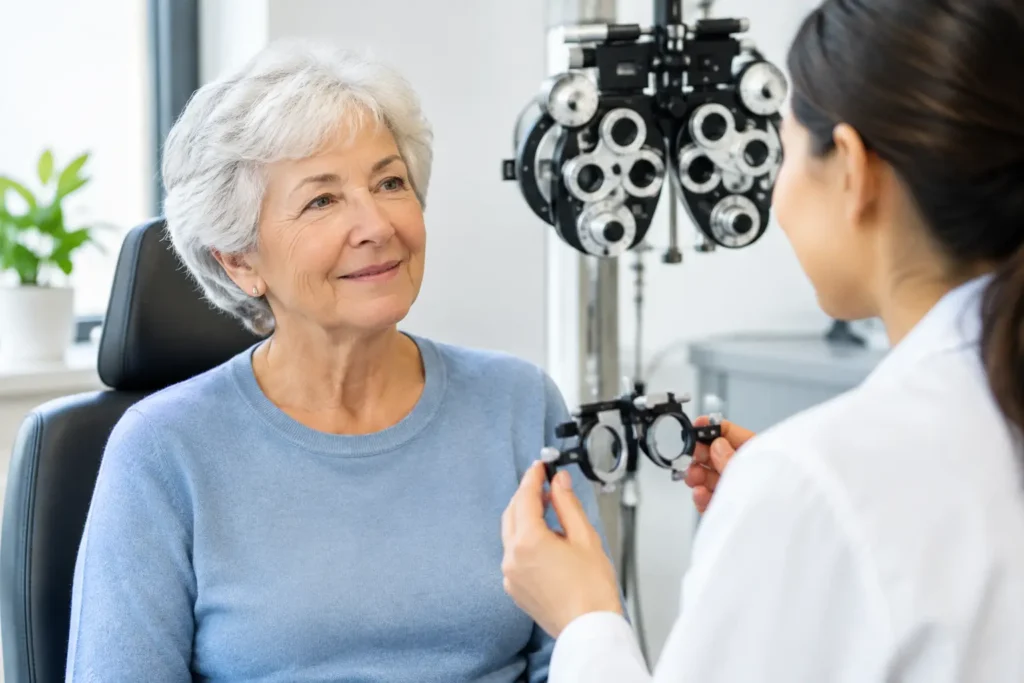
A comprehensive exam is designed to assess both vision and eye health. Your optometrist may review your health history and medications, measure how clearly you see, assess whether your prescription has changed, and examine the internal and external structures of your eyes. Depending on your individual needs, the visit may also include testing related to eye pressure, retinal health, and other indicators of age-related eye disease.
The annual interval matters. If your last OHIP-covered comprehensive exam was less than 12 months ago, another routine exam may not be covered yet. Your optometry office can help confirm your eligibility and the timing of your next covered visit before you arrive.
Why Annual Eye Exams Matter More After 65
Vision changes are not always obvious. Conditions such as glaucoma, cataracts, macular degeneration, and diabetic eye disease can develop gradually, sometimes with little noticeable change in the early stages. Regular exams give your optometrist a baseline and a chance to monitor for changes before they begin to interfere significantly with daily life.
Glaucoma is a good example. Often called the silent thief of sight, it can damage the optic nerve without causing pain or early warning signs. Cataracts may first show up as glare from headlights, faded colors, or a need for brighter light when reading. Macular degeneration can affect central vision, making faces, fine print, and straight lines harder to see.
An annual eye exam does not mean every concern will be found or prevented, but it is one of the strongest habits seniors can build into their overall health care. It also gives you a comfortable place to discuss practical changes, such as dry eyes, trouble adapting to progressive lenses, contact lens comfort, or whether your current eyewear still suits your lifestyle.
Your health history helps shape the exam
Eye care is personal. Diabetes, high blood pressure, autoimmune conditions, previous eye surgery, and certain medications can all affect the eyes. Bring an updated list of medications and be prepared to share any changes in your general health or vision.
Mention symptoms even if they seem minor. Increasing glare, eye fatigue, fluctuating vision, persistent dryness, new floaters, or difficulty seeing at night can offer useful clues. Your optometrist can determine whether the change is related to your prescription, dry eye, cataracts, an eye-health concern, or another cause.
What OHIP Usually Does Not Cover
OHIP coverage for a senior eye exam does not automatically cover every eye-related product or service. Eyeglass frames, prescription lenses, sunglasses, contact lenses, and contact lens supplies are typically not covered by OHIP. If you need new glasses after your exam, your optical team can help you choose lenses and frames that work with your prescription, comfort needs, activities, and personal style.
There may also be services, technologies, or additional testing that are not included in the standard OHIP-covered exam. This depends on the reason for the test, your eye-health needs, and current provincial billing rules. A patient with complex dry eye, for example, may benefit from treatment services that fall outside routine OHIP coverage.
The most helpful approach is to ask before your appointment. A caring office should explain what is covered, what may involve an out-of-pocket cost, and whether private insurance could help with eligible expenses. There should be no surprises when it comes to your care.
Can Seniors Receive Coverage for More Than One Exam?
Sometimes, but it depends on the clinical reason and the applicable OHIP rules. Seniors managing an eye disease, recovering from a procedure, experiencing a new concern, or requiring closer monitoring may need appointments more often than once a year. Whether OHIP covers those visits can depend on the diagnosis, urgency, type of visit, and the services provided.
If you develop sudden symptoms, do not wait for your next annual exam simply because you have already used your routine coverage. Sudden vision loss, flashes of light, a curtain-like shadow in your vision, severe eye pain, a red eye with pain or light sensitivity, or an eye injury should be assessed promptly. Call an optometrist or seek urgent medical care based on the severity of symptoms and the guidance you receive.
For less urgent changes, such as a gradual decline in vision or new difficulty with reading, call the office and explain what you are noticing. The team can help determine how soon you should be seen and discuss any coverage questions in advance.
Preparing for Your Senior Eye Exam
A little preparation can make your visit more productive. Bring your OHIP card, current glasses, sunglasses if you use them for driving, and any contact lenses or lens information. If you have had eye surgery, see an ophthalmologist, or use prescription eye drops, share those details as well.
It is also useful to consider where your vision feels most challenging. Perhaps you are straining to read menus, avoiding nighttime driving, or finding that computer screens leave your eyes tired and dry. Specific examples help your optometrist recommend solutions that fit your real day-to-day needs rather than simply updating numbers on a prescription.
If your eyes will be dilated, your vision may be temporarily blurry or more sensitive to light afterward. Ask ahead whether dilation is likely and consider arranging transportation if you do not feel comfortable driving following the exam.
Care That Looks Beyond the Prescription
A senior eye exam should feel thorough without feeling overwhelming. At Sight Care Optometry & Optical, the goal is to understand how you use your vision, listen to the changes you have noticed, and provide clear guidance at every step. If a new prescription is needed, choosing eyewear can be part of that same personalized experience, with attention to lens performance, fit, comfort, and the look you feel good wearing.
OHIP eligibility and coverage policies can change, so it is wise to confirm details when booking. Still, the key message for most Ontario residents age 65 and older is reassuring: an annual comprehensive eye exam is generally covered, and it is well worth making time for. Your eyes do a great deal for you every day. Giving them a regular checkup is a simple act of care that can help you keep enjoying the people, places, and routines you love.
Note: This posting is for informational purposes only and does not attempt to diagnose or recommend treatment for any condition. Please consult an optometrist if you are experiencing eyesight issues.