

A little blur, shadowing around letters, or headlights that seem to streak at night can make everyday tasks feel more tiring than they should. Contact lenses for astigmatism are designed to address those symptoms with a lens shape and prescription that account for how your eye focuses light. For many people, they offer clear vision without giving up the convenience, freedom, and appearance of contact lenses.
Astigmatism is common, and it does not automatically mean contacts will be difficult or uncomfortable. The right choice depends on your prescription, eye health, daily routine, and how your eyes feel by the end of the day. A thorough contact lens exam is the best place to begin.
What makes astigmatism different?
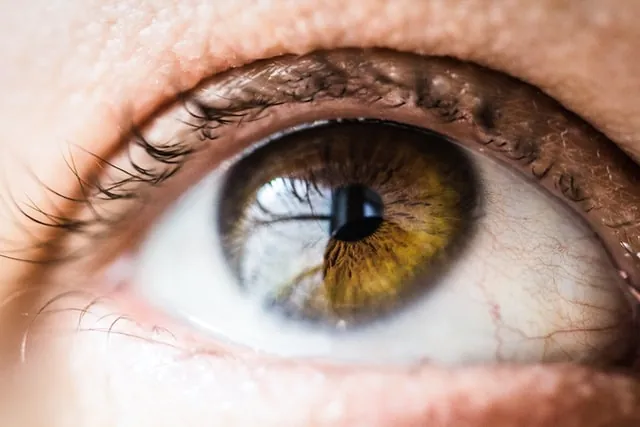
Astigmatism occurs when the cornea, the clear front surface of the eye, or sometimes the lens inside the eye has a more oval shape than a perfectly round one. Instead of focusing light at one precise point, the eye focuses it unevenly. Vision may look blurred or distorted at both near and far distances, depending on the prescription.
Many people are surprised to learn they have a mild astigmatism because they have adapted to the way they see. Others notice frequent squinting, eye strain after computer work, headaches, or less defined vision while driving at night. Astigmatism can also occur alongside nearsightedness or farsightedness, which is why one person’s lens prescription may look quite different from another’s.
The key is precision. Astigmatism prescriptions include not only lens power but also cylinder and axis measurements. These values tell your optometrist how much correction is needed and where it needs to sit on the eye.
How contact lenses for astigmatism work
Most soft contact lenses for astigmatism are called toric lenses. Unlike a standard spherical contact lens, a toric lens has different corrective powers in different directions. It must remain properly oriented on the eye for the prescription to work as intended.
To help the lens stay in position, manufacturers use stabilization designs. Depending on the lens, this may involve slightly thicker or thinner areas that work with your eyelids as you blink. You should not feel this design when the lens fits well, but it helps keep your vision clear rather than shifting in and out of focus throughout the day.
A toric lens can be an excellent choice for many prescriptions, but fit matters just as much as power. A lens that rotates too much, feels dry, or does not align consistently may provide variable vision even if the numbers on the box appear correct. During a fitting, your optometrist evaluates the lens on your eye, checks its movement and rotation, and fine-tunes the prescription if needed.
Soft, daily disposable, and reusable options
Toric lenses are available in daily disposable, two-week, monthly, and other replacement schedules. Daily disposables are especially appealing for people who prefer a fresh lens each morning and minimal cleaning. They can be convenient for busy workdays, travel, sports, and anyone who finds a lens-care routine difficult to maintain.
Reusable lenses may offer more prescription availability in some cases and can be a practical option for regular wearers. They do require consistent cleaning, proper storage, and replacement on schedule. Extending the life of a lens beyond its recommended replacement date may increase discomfort and the risk of complications.
There is no universally best schedule. The best option is the one that gives you reliable vision, supports the health of your eyes, and fits realistically into your routine.
What about rigid gas permeable lenses?
Rigid gas permeable, or GP, lenses can provide exceptionally crisp vision for certain people with astigmatism, particularly when the cornea has an irregular shape. Because they keep their shape on the eye, they can create a smoother optical surface than some soft lenses.
The trade-off is an adjustment period. GP lenses are smaller and may be more noticeable at first than soft contacts. They are not necessary for everyone, but they can be valuable when soft toric lenses do not provide the clarity or comfort a patient needs. Your optometrist can explain whether they are worth considering for your eyes.
A contact lens prescription is more than a glasses prescription
It is tempting to assume that a glasses prescription can be used to order contacts, but contact lenses are medical devices that rest directly on the eye. Their prescription includes details that glasses do not, such as base curve, diameter, brand, material, and, for toric lenses, the design that keeps the lens stable.
Your vision can also change when a prescription moves from glasses to contacts, especially with higher amounts of astigmatism or nearsightedness. Even a small adjustment can affect the sharpness of road signs, digital screens, and fine print.
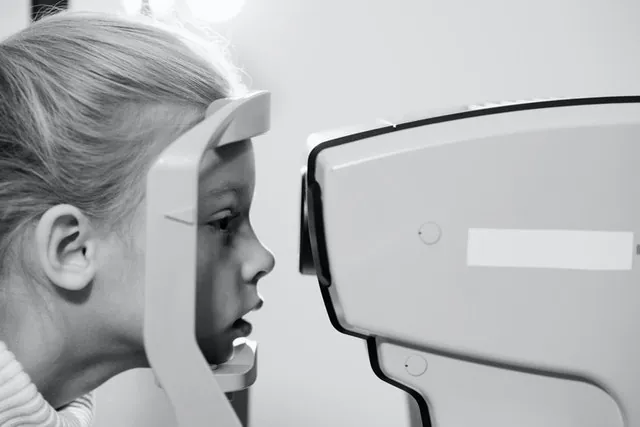
A contact lens exam includes a complete assessment of vision and eye health, followed by measurements and trial lenses. You may be asked to wear trial lenses and return for a follow-up evaluation. This gives your optometrist an opportunity to confirm that the lenses center well, remain stable, and keep your cornea healthy.
Comfort matters as much as clarity
Clear vision is only part of a successful fit. Contacts should feel comfortable enough that you are not constantly aware of them. If your eyes feel dry, gritty, red, or tired late in the day, it is worth discussing rather than simply accepting it as normal.
Dry eye symptoms can affect contact lens tolerance, and they are common among people who spend long hours on screens, work in heated or air-conditioned spaces, take certain medications, or experience natural changes with age. In some cases, changing the lens material or replacement schedule helps. In others, treating underlying dryness first can make contact lens wear much more comfortable.
Comfort can also depend on wearing habits. Sleeping in contacts that are not approved for overnight wear, wearing lenses longer than recommended, or rinsing them with tap water can put your eye health at risk. Even when you feel fine, these habits can increase the chance of irritation or infection.
Choosing lenses around your life
The most suitable lens is not always the one a friend uses or the one that seems simplest online. Consider when and where you need your vision most. Someone who drives frequently at night may prioritize stable, sharp distance vision. A parent juggling school drop-offs and a demanding job may value the convenience of daily lenses. A person who spends hours at a computer may need extra attention to dryness and blinking habits.
Your hobbies matter, too. Contacts can be helpful for sports, outdoor activities, and occasions when you prefer not to wear glasses. Many people also keep an updated pair of prescription glasses as a backup for evenings, travel, illness, or days when their eyes need a rest.
At Sight Care Optometry & Optical, the conversation is personal. Your optometrist can consider your prescription, eye health, comfort concerns, work demands, and style preferences to help you find a lens option that feels natural in your daily life.
When to call your optometrist
Remove your contact lenses and seek prompt eye care if you develop significant redness, pain, light sensitivity, discharge, sudden blurred vision, or the feeling that something is stuck in your eye. Do not try to push through these symptoms or wear the lens again until you have been advised it is safe.
Routine follow-up matters, too. An annual contact lens evaluation helps ensure your prescription is current and gives your optometrist a chance to monitor the surface of your eyes. This is particularly helpful if you have noticed changing comfort, fluctuating vision, or more frequent dryness.
The right contact lenses can make astigmatism feel less like a daily obstacle and more like one well-managed part of your vision care. With a careful fitting and honest conversation about what your eyes need, clearer and more comfortable days are within reach.
Note: This posting is for informational purposes only and does not attempt to diagnose or recommend treatment for any condition. Please consult an optometrist if you are experiencing eyesight issues.