
A changing prescription is often the reason people schedule eye exams, but clearer glasses are only part of the picture. A comprehensive visit can also reveal early signs of eye disease, help explain headaches or tired eyes, and give you practical guidance for the way you actually use your vision – at a screen, behind the wheel, in a classroom, or outdoors with family.
For many eye conditions, early changes are quiet. You may feel perfectly well and still benefit from a closer look at the health of your eyes. That is why routine care is less about waiting for a problem and more about protecting the vision you rely on every day.
What happens during an eye exam?
A thorough eye exam is personalized. Your optometrist begins by asking about your vision, medical history, medications, work demands, hobbies, and any changes you have noticed. Blurry distance vision, trouble reading, eye strain, dryness, flashes of light, or difficulty driving at night can all offer useful clues.
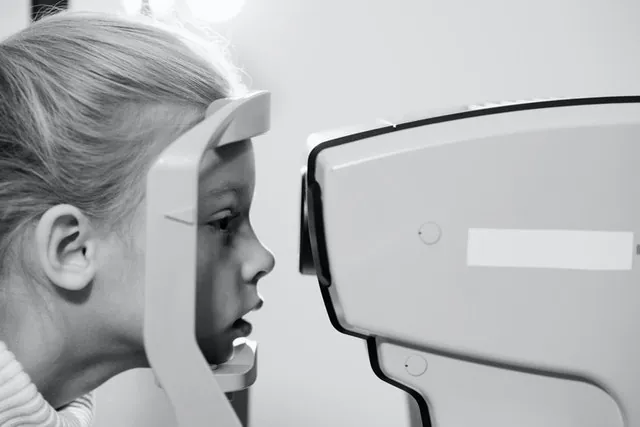
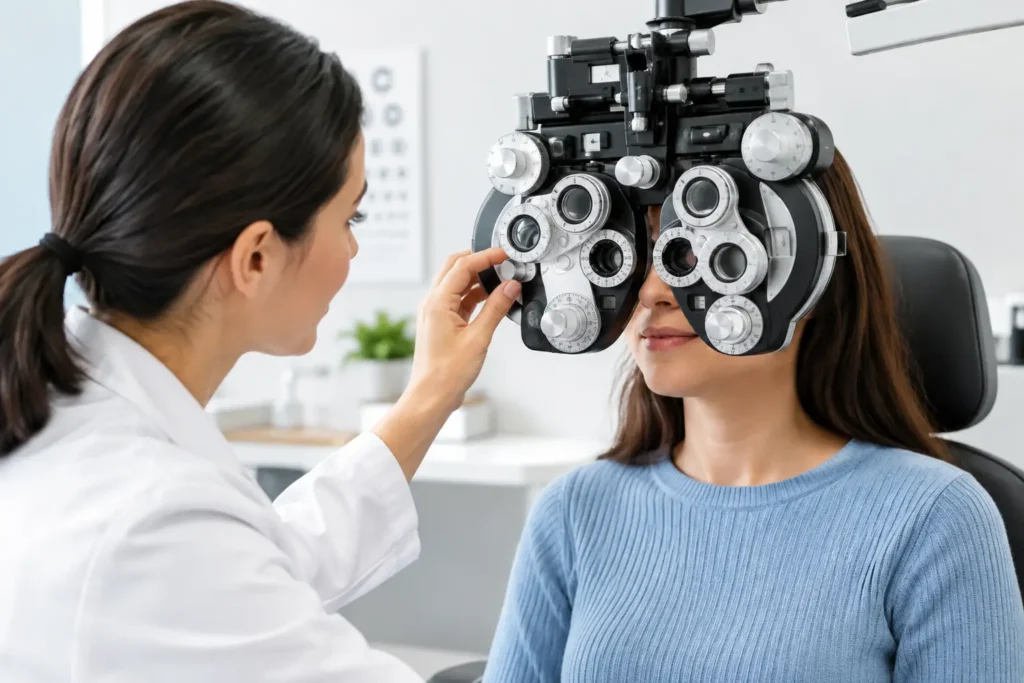
The exam typically includes testing how clearly you see at different distances and determining whether glasses or contact lenses could improve that vision. Your optometrist also evaluates how your eyes work together, checks pupil responses, and assesses the front and back structures of the eye. Depending on your needs and history, this may include measuring eye pressure, viewing the retina and optic nerve, or using imaging technology to establish a detailed baseline.
These tests are not simply a pass-or-fail exercise. Results help guide decisions that fit your life. Someone who spends long hours switching between laptop work and meetings may need a different lens solution than someone who drives frequently at night or enjoys active weekends outdoors.
Your prescription is only one piece of the visit
A prescription tells us how lenses can focus light more clearly. It does not, by itself, confirm that your eyes are healthy. Conditions such as glaucoma, cataracts, macular degeneration, and diabetic eye changes may develop gradually, sometimes before noticeable vision loss occurs.
That distinction matters. A person can read the eye chart well and still have an eye-health concern that deserves monitoring or treatment support. Regular visits give your optometrist a point of comparison over time, making subtle changes easier to identify.
When should you book eye exams?
The right schedule depends on age, eye health, family history, medications, and whether you have conditions such as diabetes or high blood pressure. Your optometrist can recommend an interval that makes sense for you. In general, children, adults with changing vision or health risks, and older adults often benefit from regular comprehensive care rather than waiting until their current glasses no longer feel right.
Children should have their vision assessed early and monitored as they grow. Clear eyesight supports reading, classroom participation, sports, confidence, and everyday learning. Children do not always realize that the way they see is different from others, and they may not say that something is wrong. Squinting, sitting very close to screens, avoiding reading, frequent eye rubbing, or recurring headaches can be worth discussing.
For adults, an exam is especially timely when screens leave your eyes tired, close work feels harder than it used to, or you find yourself holding menus farther away. These changes are common, but they should still be evaluated. The right glasses, contact lenses, or dry-eye recommendations can make work and daily tasks much more comfortable.
As we age, regular monitoring becomes increasingly valuable. Cataracts, glaucoma, and retinal conditions are more common later in life, and many respond best when identified early. If you wear progressive lenses, have had eye surgery, or notice a decline in night vision, do not assume it is something you simply have to live with.
Symptoms that should not wait
Routine care is valuable, but some symptoms call for prompt attention. Sudden vision loss, a curtain or shadow across your vision, new flashes of light, a sudden shower of floaters, severe eye pain, chemical exposure, or an eye injury should be assessed urgently. A painful red eye, sudden double vision, or significant light sensitivity also deserves timely professional advice.
Not every eye concern is an emergency, and dry or irritated eyes can have many causes. Still, guessing can prolong discomfort or overlook a more serious issue. Calling an optometry office is a sensible first step when symptoms are sudden, painful, worsening, or simply concerning.
Why a lifestyle conversation matters
Your eyes do different jobs throughout the day. A standard prescription may sharpen your sight, but the lens design, coatings, frame fit, and contact lens material can greatly affect comfort and performance.
Consider the person who reviews spreadsheets all day and drives home after dark. They may need help balancing screen comfort, intermediate vision, glare reduction, and night driving. A parent may want durable frames for a child who is always on the move, while a contact lens wearer may need a plan that accounts for seasonal allergies or dry indoor air.
This is where a clinical exam and personalized optical guidance work well together. Your optometrist can explain what your eyes need medically, while knowledgeable optical support can help you choose eyewear that suits your prescription, routine, face shape, and personal style. Good eyewear should feel natural to wear and feel like you.
At Sight Care Optometry & Optical, that conversation is part of the experience. Patients can receive comprehensive care while getting thoughtful guidance on glasses, sunglasses, contact lenses, and options designed for their day-to-day vision needs.
Eye health can change even when vision feels stable
It is easy to postpone an appointment when your current glasses still seem acceptable. Yet stable vision does not always mean stable eye health. Family history of glaucoma, a history of high eye pressure, diabetes, autoimmune conditions, and certain medications can affect the care you need.
Tell your optometrist about new diagnoses, recent medication changes, and eye conditions in close family members. Small details can make a meaningful difference in how your eyes are assessed and how often you should be monitored.
Dry eye is another example of why a fuller conversation helps. Burning, grittiness, watering, fluctuating blur, and discomfort in contact lenses are common symptoms, but the cause may relate to tear quality, eyelid health, screen habits, environmental factors, or another underlying issue. Over-the-counter drops may provide temporary relief, but persistent symptoms deserve a more tailored approach.
How to get more from your appointment
A little preparation can help your exam feel more useful and relaxed. Bring your current glasses and contact lens information, and make a note of symptoms that come and go. It helps to mention when they happen: after screen use, outdoors, while reading, in the morning, or at night.
If you are considering new eyewear, think about where you need it most. Do you want one pair that handles many tasks, a dedicated computer pair, prescription sunglasses, or a backup pair for travel? There is no single best answer. The right choice depends on your prescription, budget, routine, and how much convenience matters to you.
If your eyes will be dilated, ask in advance what to expect. Dilation can give your optometrist a better view of the back of the eye, but it may leave you sensitive to light or blur your near vision for several hours. Planning around driving, work, or childcare can make the visit easier.
Your vision deserves attention before it becomes a daily frustration. Booking an exam gives you a clear opportunity to ask questions, address small changes, and leave with a plan that supports both your eye health and the way you want to see the world.
Note: This posting is for informational purposes only and does not attempt to diagnose or recommend treatment for any condition. Please consult an optometrist if you are experiencing eyesight issues.