
We get this question quite often in the summer. People are aware that exposure to the sun provides us with Vitamin D which is a good thing. However, it also exposes you to UV rays, and too much UV (ultraviolet) light can harm your eyes. .
Summer sun is stronger, and the UV exposure is higher. UV exposure can lead to:
- Cataracts – clouding of the eye’s lens, often linked to UV damage.
- Macular degeneration – damage to the retina, a leading cause of vision loss.
- Photokeratitis – a painful, sunburn-like condition of the cornea (especially from water or sand reflection).
- Eyelid cancer – UV radiation can also increase the risk of skin cancers around the eye.
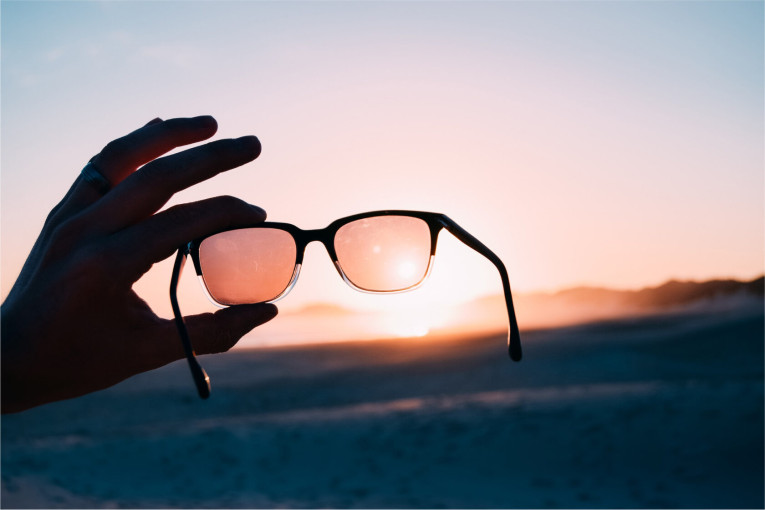
Sunglasses with UV400 protection, which can be purchased at Sight Care, block 99–100% of UVA and UVB rays, preventing this damage.
So, while you DO want the Vitamin D, you DON’T want your eyes to suffer from the UV exposure.
Vitamin D production is stimulated by UVB rays hitting your skin, not your eyes. Wearing sunglasses doesn’t block vitamin D synthesis at all. You get lots of exposure through exposed skin, even if you are wearing sunglasses and a hat. Also, you don’t need too much sun exposure to get your vitamin D requirement – 10-30 minutes a few times a week is plenty.
While our mission is to help you with your eyesight, we would be remiss in saying that you should be careful about getting too much sun. Over-exposure can lead to short and long-term health impacts. As in everything, moderation is the key.
At Sight Care, we’re here to help you see your best—comfortably and confidently. If it’s time for an eye examination, don’t delay. Your eyes will thank you.
Why wait? Book an appointment online at
👉 sightcareoptometry.com
Have questions about your vision or symptoms you’re experiencing? Don’t guess—ask a professional. We’re happy to help.Note: This posting is for informational purposes only and does not attempt to diagnose or
recommend treatment for any condition. Please refer to the Ontario Association Optometrists website (https://optom.on.ca/eye-health-library) for more information or consult an Optometrist if you are experiencing eyesight issues.