

From time to time, we have people coming into our clinics complaining that they have difficulty with night-time driving because they cannot see as well as they can in daylight. This condition is known as “night blindness”.
Some of the symptoms of night driving including difficulty seeing while driving at night (especially with glare from headlights), trouble seeing in dark or dimly lit environment, and inability to quickly adjust from a bright area to a dark area.
There are many conditions that can contribute to someone suffering from night blindness (known at nyctalopia). Some of these include:
- Retinitis pigmentosa, which affects the retina’s rod cells that are responsible our ability to see in low light.
- Cataracts, which is cloudiness of the eye’s lens – this can impair vision, especially at night.
- Glaucoma, which is an optic nerve disease that can affect night vision. Some glaucoma medications, which narrow the pupil, can also impact night vision.
- Nearsightedness can lead to night blindness
- Keratoconus, which causes the cornea to thin and become irregularly shaped, distorts vision and can be worse in low light.
- Vitamin A deficiency, while rare, can impact the rod cells as well.
In addition, some people who have undergone certain types of laser eye surgery for vision correcting, can experience issues with night vision on a temporary or long-term basis.
So, what can you do about night blindness? There are some things you can do to reduce the impact on your night vision.
- Vitamin A deficiency is the most common, and reversible, cause worldwide. Increase your intake of vitamin A. This can be done by consuming vitamin A–rich foods such as liver, eggs, dairy, dark leafy greens, orange/yellow vegetables (carrots, sweet potatoes, squash).
- Have an eye examination to determine if you need corrective lenses, or if your current prescription is up to date. Anti-reflective coatings on the lenses can help reduce glare at night.
- Surgery if you have been diagnosed for cataracts, glaucoma or other retinal diseases.
- Genetic testing to determine if you have Retinitis Pigmentosa.
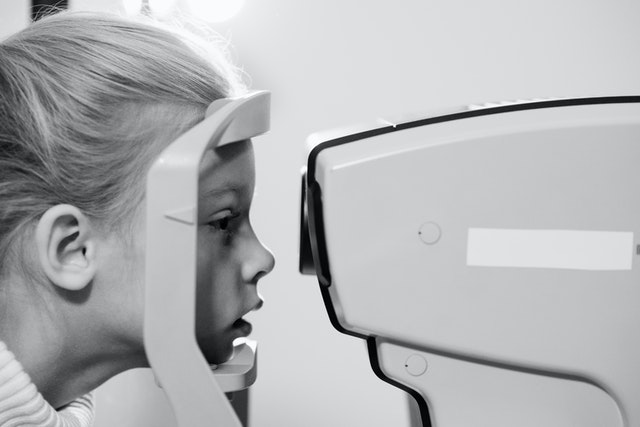
If you are having trouble with driving at night due to reduced or impaired vision, Sight Care can help by conducting a comprehensive eye examination, determining the cause and, in some cases recommending solutions that meet your specific needs.
Have questions about your vision or symptoms you’re experiencing? Don’t guess—ask a professional. We’re happy to help.
Visit www.sightcareoptometry.com to book an appointment.
Note: This posting is for informational purposes only and does not attempt to diagnose or
recommend treatment for any condition. Please refer to the Ontario Association Optometrists website (https://optom.on.ca/eye-health-library) for more information or consult an Optometrist if you are experiencing eyesight issues.